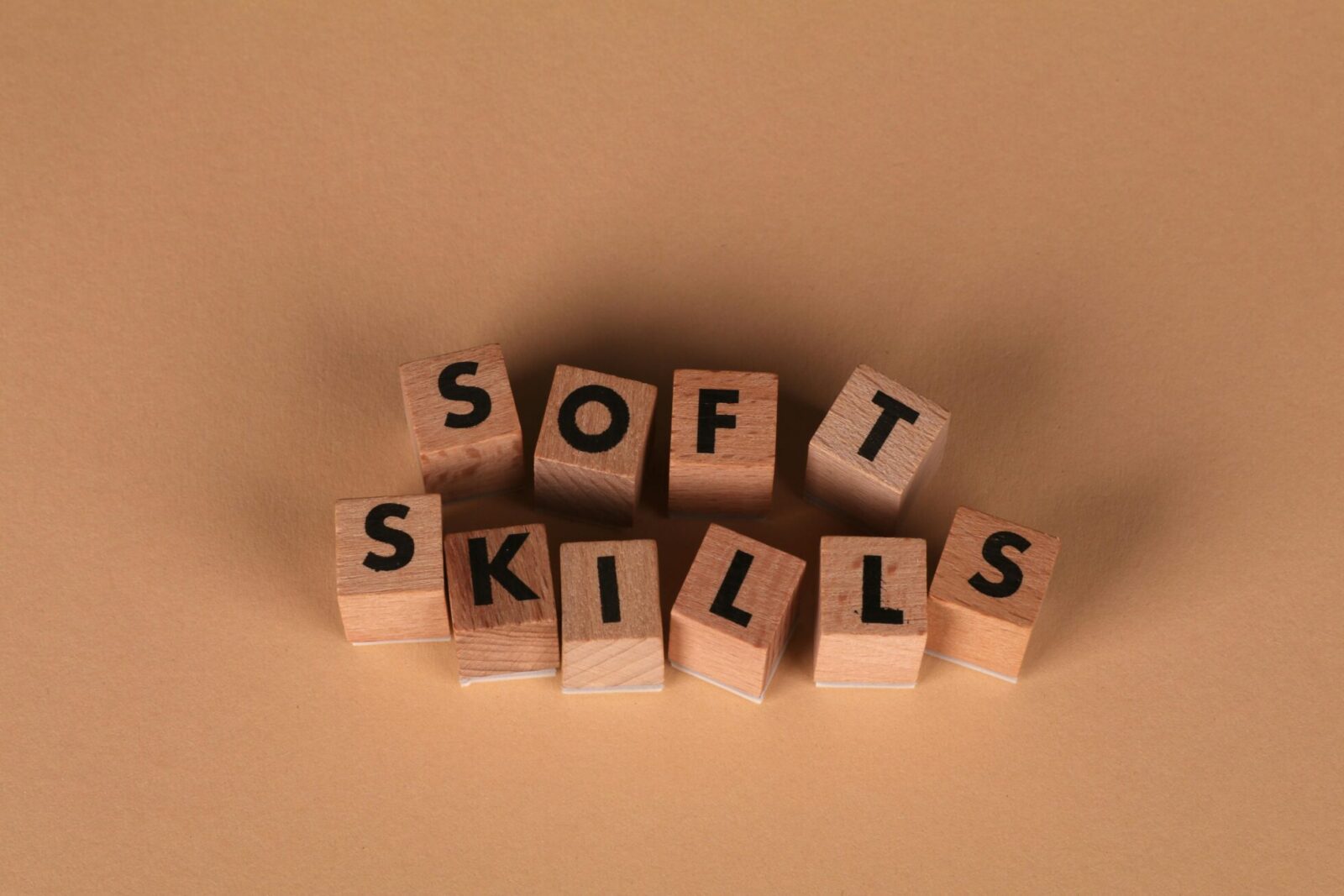

I recently had the pleasure of participating in the International Week at the Universitat de Lleida, where I gave a speech titled “Soft Skills, High Impact.” It was an inspiring environment, filled with academic energy and forward-thinking individuals. However, the core of my message was a bit of a “reality check” regarding how we view education versus the professional world.
THE 85/15 PARADOX
People spend years – sometimes decades – focusing on their “hard skills.” We study for degrees, master technical tools, and accumulate specialized knowledge. And it works in the classroom. In fact, research shows that 85% of academic success is based on hard skills, while only 15% is attributed to soft skills.
But here is the key: ONCE YOU STEP OUT OF THE UNIVERSITY AND INTO THE PROFESSIONAL ARENA, THOSE NUMBERS FLIP.
According to studies supported by the?Carnegie Foundation,?Harvard University, and the?Stanford Research Institute, the formula for professional success is exactly the opposite:
- 85% of professional success?is based on?Soft Skills.
- 15% of professional success?is based on?Hard Skills.
This data was originally pioneered by?Charles Riborg Mann, an American physicist and educator who recognized early on that technical knowledge, while necessary, is rarely the deciding factor in a long and impactful career.
ALGORITHMIC VS. HEURISTIC TASKS
Why this drastic shift? It comes down to the nature of the work we do.
In the past, many jobs were algorithmic. These are tasks where you follow a set of established instructions to reach a known conclusion. Hard skills excel here. However, in today?s volatile and complex world, we are moving toward heuristic tasks. These are problems with no set solution, requiring us to experiment, pivot, and collaborate to find a way forward.
In a heuristic world, your ability to code or calculate is just the “entry ticket.” Your ability to lead, empathize, and communicate – your Soft Skills – is what drives the results.
FROM SOFT SKILLS TO “POWER SKILLS”
I?ve always felt that the term “soft” does these abilities a disservice. It makes them sound optional or “fluffy.” Philip J. Hanlon, the mathematician and 18th president of Dartmouth College, proposed a much better term: Power Skills.
These aren’t just “people skills”; they are the foundational powers that allow you to navigate change, manage conflict, and inspire others. They are the skills that robots and AI still struggle to replicate. They are, quite literally, the most powerful tools in your professional toolkit.
FINAL REFLECTION
If people know that 85% of their success depends on these “Power Skills,” why do they still spend most of their time training the other 15%?
It is time to rebalance the scales. Your technical expertise might get you the interview, but your “Power Skills” will build your career. Because as Peggy Klaus– executive coach, speaker, and author – says “Soft skills get little respect but can make or break your career”.
La entrada Soft Skills, High Impact: the real key to professional success se publicó primero en Xavi Roca.