
What does the digital future look like? Who gets to imagine it, shape it, and make it real?
Building a freer, more inclusive digital age requires not only challenging systems of surveillance and control, but also making space for creativity, community, and radical imagination.
That’s why earlier this year with the queer arts collective, we put out a call for submissions inviting people to explore the intersections of technology, identity, and digital liberation—whether that involved pointing the lens towards an underrepresented issue in digital justice efforts; sharing personal accounts of joy, pleasure, or sorrow under surveillance; or painting wide imaginations for our communities using technology for good instead of carcerality and doom.
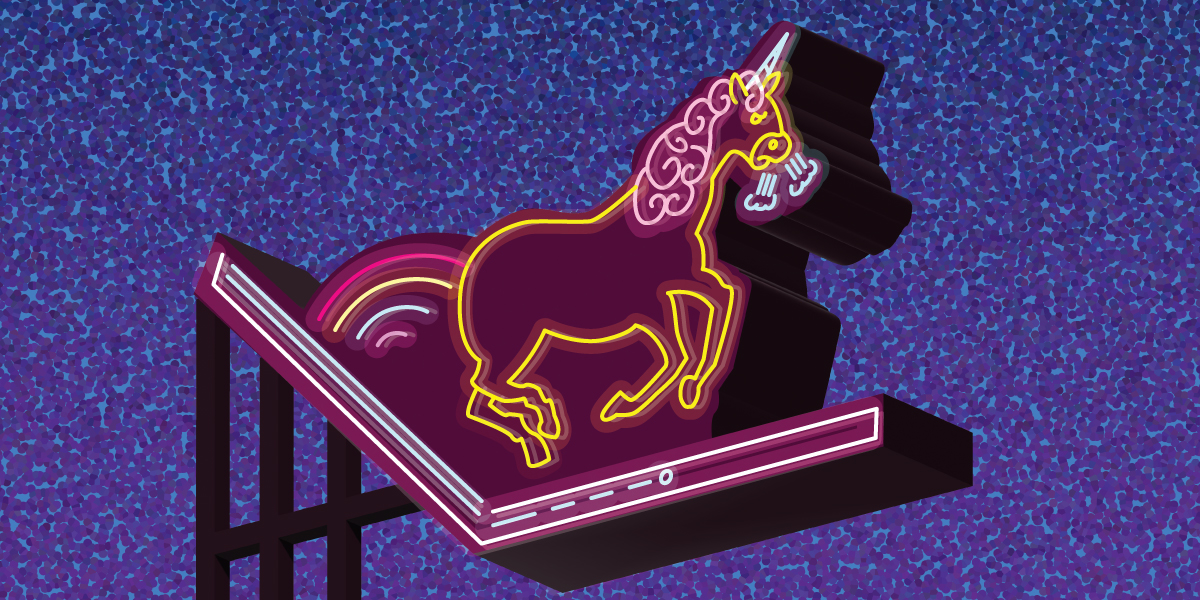
And we’re excited to share that the project is now live! Desire Lines: Encoding Queer Digital Futures explores a digital world that dreams wilder and exists louder. Seven artists share their visions of digital liberation, spanning from early internet-coded yearning to escapist steamy chat rooms and seed-laced battle suits for revolution.
These essays and stories remind us that digital rights aren’t just about the existence of technology and its deployment as existing in a vacuum, but instead about how tech tools are a way for people to express themselves freely, find communities, explore identities, and build spaces to exist and seek joy without fear. Too often, conversations about technology focus on innovation, efficiency, and the next big thing while overlooking the people and communities most affected by the systems being built. This project was an effort to break containment and make space for something different: a chance to imagine digital futures rooted in queer creativity, resistance, and possibility.
Together with the queer arts collective, we were excited to launch the magazine and celebrate the artists and ideas that brought it to life through our session at Mozilla Festival last week, ‘Privacy x Queer Desire,’ where we started out by co-curating a community privacy plan grounded in digital fairness before launching the magazine.
If the stories in Encoding Queer Digital Futures teach us one thing, it’s that we don’t have to accept the digital future handed to us by oppressive governments and tech companies. We already have pre-Big Tech internet experiences encoded in our fondest memories that can inform our dreams for something better, and together we can build a new reality.
Read Desire Lines: Encoding Queer Digital Futures here.