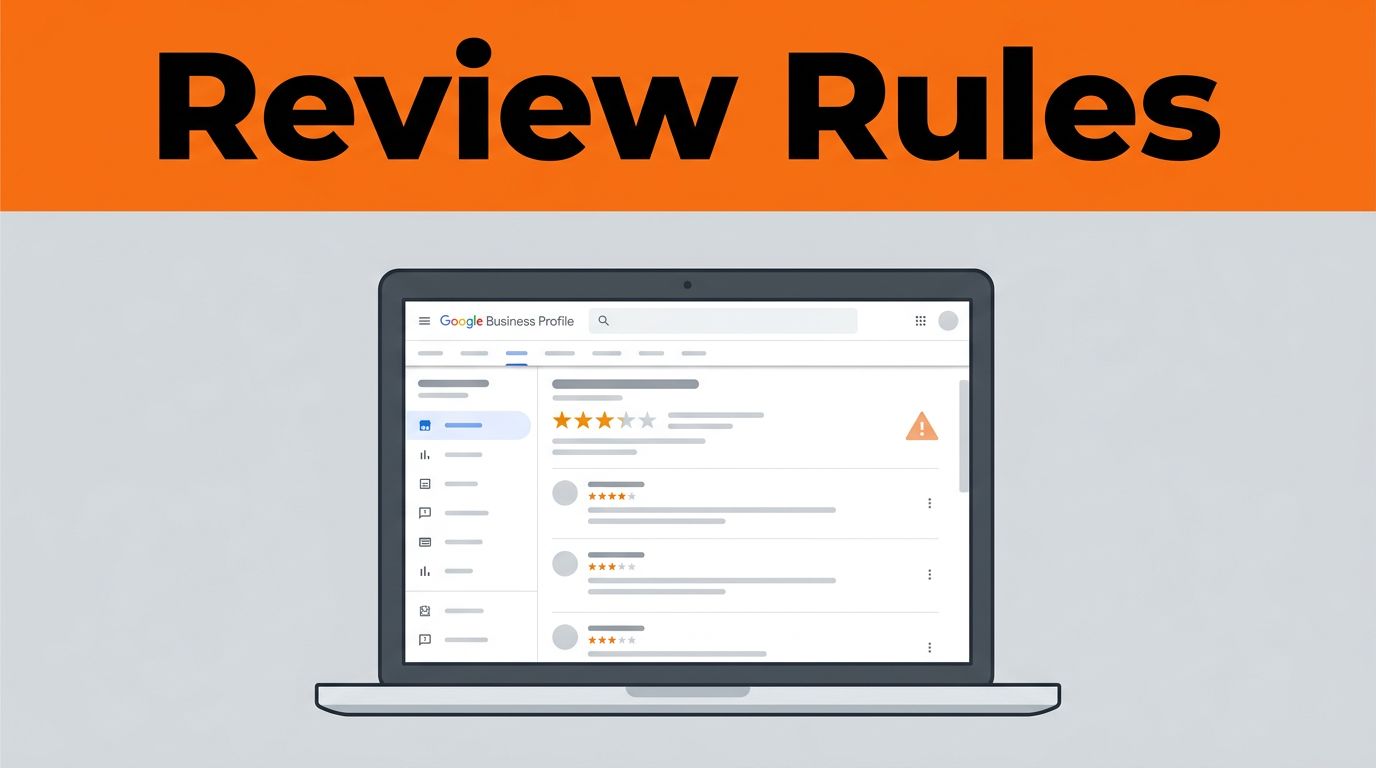

Google reviews still matter, but the google review guidelines got tighter in 2026. If your team uses old scripts, quotas, or incentives, those habits can now hurt more than help.
The biggest shift is simple. Google is paying closer attention to how reviews are requested, who asks for them, and whether the wording looks coached. These changes affect the visibility of online reviews for any brand. That means reputation management teams need to clean up their review process, not just count stars.
If you’re trying to protect local rankings and trust, this update deserves attention now. Businesses need to adapt their approach to their Google Business Profile to avoid penalties. A few small changes in your workflow can keep you compliant and still help you earn honest feedback.
Key Takeaways
- Google’s 2026 review guidelines update ramps up enforcement against manipulation, spotting patterns like coached wording, incentives, quotas, and fake reviews more aggressively.
- Legitimate requests stay allowed if neutral and voluntary—no incentives, no guiding content, no salesy replies.
- Common pitfalls like review quotas, specific mentions, and employee pressure can flag profiles, hurting local visibility on Google Maps.
- Audit your process now: trim scripts, train staff for honest asks, and focus on compliance to earn real feedback.
- Partner with reputation management that prioritizes compliant workflows over volume for long-term trust.
What changed in Google’s 2026 review guidelines
The 2026 update did not rewrite Google’s whole review policy or its broader content policies on prohibited and restricted content. It sharpened the rules Google already had and made enforcement more aggressive.
Google’s Maps User Generated Content Policy still says reviews must reflect a genuine experience. What changed is how clearly Google is now flagging manipulation, including fake reviews. The system is better at spotting suspicious patterns, such as repeated wording, sudden bursts, shared devices, and networks, to avoid being flagged as spam or inappropriate content. Enforcement is most visible on Google Maps.
Google has also been more direct about what counts as review abuse. That includes paid reviews, biased reviews, and attempts to shape the content of a review. In practice, that means you can ask for honest feedback, but you cannot coach the result.
The company also says it is taking stronger action on suspicious activity in Maps. Its Maps spam protections update explains that Google can now pause reviews on profiles with spam spikes and alert business owners when abuse is detected.
So the message is clear. Google still wants real customer feedback, but it is less patient with anything that looks manufactured.
What still counts as a legitimate review request
A clean review solicitation is still allowed when it is neutral and voluntary. That means the customer can decide whether to leave a review, what to say, and whether to skip it.
A polite ask after service is fine. A QR code at checkout leading to Google Maps is fine too. So is a follow-up email with a simple request for customer feedback. The line gets crossed into rating manipulation when the request tries to guide the rating, the wording, or the timing.
Here is a quick side-by-side view.
| Allowed | Prohibited |
|---|---|
| A thank-you email that asks for honest feedback | A discount, gift card, or free item in exchange for a review |
| A QR code or direct link after the visit | Asking customers to leave the review while they are still being served |
| A general request to share their genuine experience | Asking people to mention a staff member’s name or a product keyword |
| A factual reply that thanks the reviewer | A reply that includes sales copy, promo links, or a coupon |
The takeaway is easy to miss if you move fast. Google still allows review generation, but it does not allow review direction.
A polite request is fine. A coached result is not.
That matters for online reputation management, because the best systems now focus on timing, tone, and consent. They do not try to script the customer, even though businesses often seek 5-star ratings.
The mistakes that get businesses flagged
The riskiest habit is the review quota. Aggressive quotas can even lead to fake reviews, and if you tell staff to bring in a set number of reviews each week, Google can read that as pressure. The same goes for asking employees to push customers for reviews on the spot.
Another common mistake is asking for specific content. If you tell a customer to mention a salesperson’s name, a location, or a product line, that looks like guidance. It may feel harmless in person, but it can still trigger enforcement.
Incentives remain a major violation too. Discounts, freebies, and “leave us a review for a chance to win” campaigns are still bad ideas. So are offers that reward editing or removing a review.
The review reply itself can also create trouble. A reply that pushes a deal, uses marketing language, or tries to move the conversation to a sale can look out of place. Keep replies human, short, and customer-focused.
Many online reputation management companies still reuse outdated request scripts. If you’re working with a reputation management company, ask them whether their templates tell customers what to say. If they do, that’s a red flag.
When a team relies on fake accounts, review gating (the prohibited tactic of discouraging negative reviews while only soliciting feedback from satisfied customers), or review farms, the damage goes beyond removals. Fake engagement through employee reviews or paid reviews creates a conflict of interest, and Google can lower trust in the profile. That often shows up in Google Maps visibility later.
What local businesses should change now
Start with your review request flow. Read every email, SMS, printed card, and staff script like a customer would. If the message tells people what to write, trim it back. Compliance is key to maintaining your local visibility.
If your team uses a managed process, review it with your online reputation management partner. A solid online reputation management services page should not just talk about volume. It should explain compliant requests, review moderation, monitoring, response standards, and long-term review health.
Next, train the people who ask for reviews. Front desk teams, sales staff, service techs, and account managers all need the same rule set. They should ask for honest feedback, not a five-star score, and handle negative reviews with professional replies.
A practical cleanup plan looks like this:
- Audit your Google Business Profile listing and every review request you use now.
- Remove incentives, quotas, and content prompts.
- Replace scripted language with a neutral ask.
- Review your public replies and remove sales language.
- Track removals, complaints, and sudden review spikes on Google Maps.
If your profile already took a hit, move faster. Reputation repair services can help clean up the fallout, monitor changes, guide you through the appeal process if legitimate reviews are removed, and rebuild trust with a safer process.
A Reputation Repair Company or an Online Reputation Expert should be able to show you where the risk lives. They should also help you fix the workflow, not just react after reviews disappear. If they cannot explain the current rules in plain language, keep looking.
For businesses that need a broader reset, business reputation management needs to include review policy, response discipline, and content that supports trust. That is where real repair starts.
Frequently Asked Questions
What changed in Google’s 2026 review guidelines?
The update sharpened enforcement on existing rules without rewriting the policy. Google now better detects suspicious patterns like repeated wording, bursts of reviews, and shared devices. It also pauses reviews on spammy profiles and takes stronger action against paid or biased reviews.
Are review requests still allowed for businesses?
Yes, neutral and voluntary requests are fine, like a polite thank-you email or QR code after service. The line is crossed with incentives, coaching on wording or ratings, or on-the-spot asks during service. Focus on honest feedback without directing the content.
What are the biggest mistakes that get businesses flagged?
Review quotas, incentives like discounts, asking for specific mentions, and salesy public replies top the list. Review gating and fake accounts create even bigger risks, lowering profile trust. Outdated scripts from reputation firms can trigger penalties too.
How can local businesses stay compliant?
Audit all requests, remove incentives and prompts, train staff on neutral asks, and keep replies customer-focused. Track spikes and removals on Google Maps. Work with compliant reputation management for monitoring and cleanup.
What if my Google Business Profile is already affected?
Move fast to audit and fix your workflow, appeal wrongful removals if needed. Use reputation repair services to monitor, rebuild trust, and guide compliance. Prioritize transparency to recover visibility.
Conclusion
The 2026 update did not make honest reviews harder to earn. It made fake reviews and shortcuts like review extortion easier for Google to catch.
Google also maintains broader safety standards by filtering inappropriate content, such as hate speech, sexually explicit content, illegal activity, and off-topic content, to preserve trust in the review ecosystem.
That is good news for businesses that already serve customers well. Keep your requests neutral, remove incentives, and stop steering the wording. If your review process feels coached, it probably is.
The safest path now is simple: prioritize transparency by asking for real feedback, make it easy to leave, and let the customer speak for themselves.