

Key Takeaways
- The late Lang Walker and his wife, Sue Walker, opened Kokomo Private Island in 2017.
- The property boasts 21 beachfront villas and five hilltop residences, each with a private pool.
- From the accommodations to dining, activities, spa and beyond, Kokomo understands exactly what its guests want.
When Lang Walker, the late Australian billionaire property developer and philanthropist, and his wife, Sue Walker, first saw Yaukuve Levu Island, Kadavu, Fiji, surrounded by the Great Astrolabe Reef, the land was largely overgrown, with the remains of a development that had never been completed.
“We anchored the boat out the front, looked at it and thought what a wonderful place this could be,” Sue Walker recalls. “It took eight years and an enormous amount of hard work to bring that vision to life.”
That effort led to Kokomo Private Island, which officially opened in March 2017.
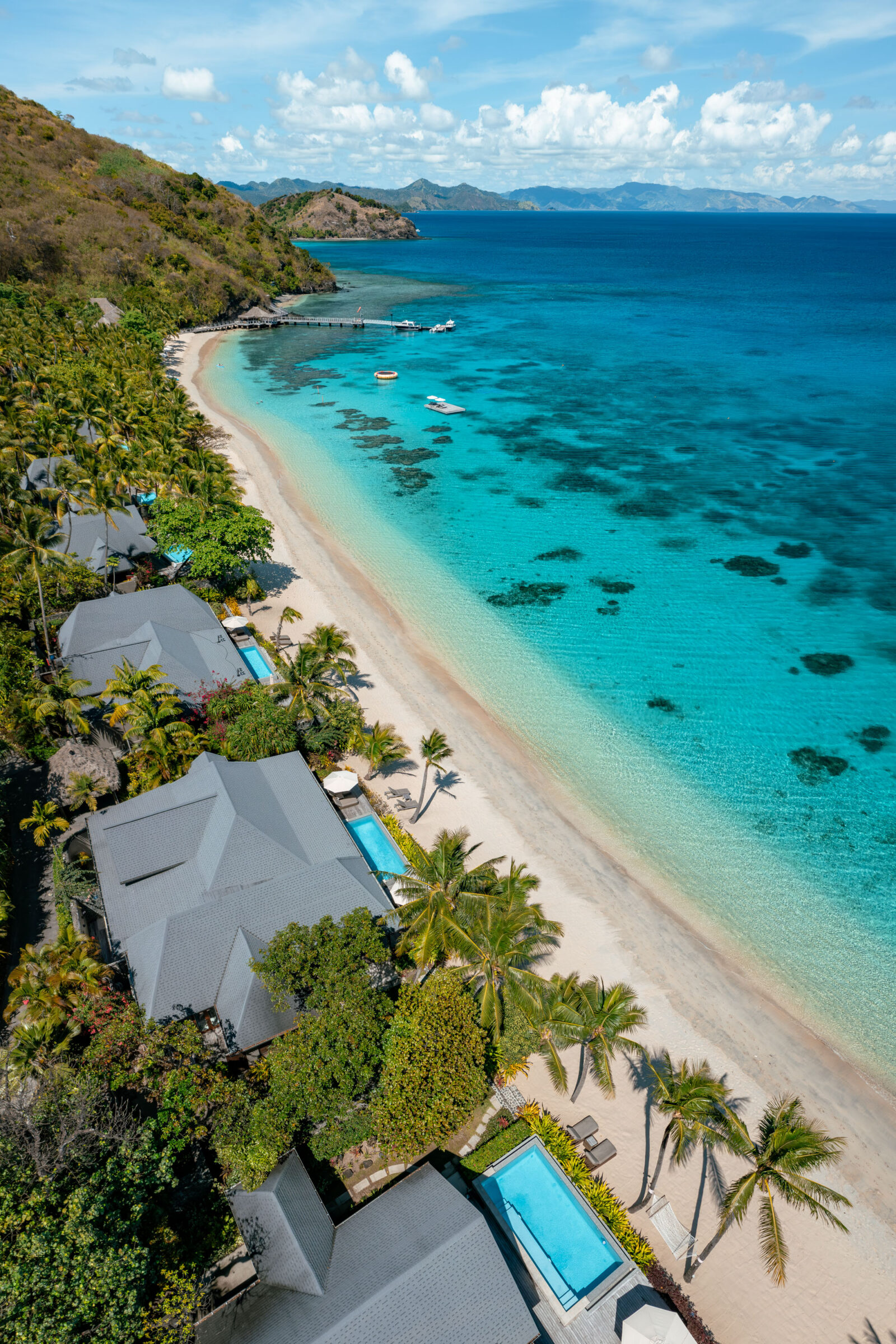
Today, the property features 21 beachfront villas and five hilltop residences, each with a private pool; three principal dining venues, with more than 80% of herbs and greens sourced from the island’s 5.5-acre organic farm; the Yaukuve Spa Sanctuary with its dedicated fitness center; and no shortage of adventure and cultural activities available to its guests.
My husband and I had a chance to experience the tropical island paradise for ourselves in September. Throughout our stay, we were struck by Kokomo’s sheer natural beauty and how much the luxury hospitality experience was rooted in a genuine sense of place.
Increasingly, hotels and resorts highlighting local character rise to the top of travelers’ wishlists. Nearly three-quarters of luxury travelers won’t pay for accommodations that feel generic, per a report from Preferred Hotels & Resorts, and 77% of travelers prioritize authentic experiences representative of local culture, according to research from Booking.com.
Kokomo serves as a lesson in hospitality excellence — what it takes to succeed in a travel landscape increasingly defined by a desire for authenticity and local character. Here’s how every business can do the same.
Rolling out a warm welcome from start to finish
After a long day (or more) of travel, first impressions are key. Guests want to feel at ease and an immediate sense of place. But, sometimes, that’s the straightforward part. Sustaining that genuine warm welcome throughout the stay also matters.
Staff members at Kokomo give it its personality and make guests feel at home, often forming relationships that bring people back year after year, Walker says.
Additionally, Kokomo has developed a close relationship with the local community, where some staff members are from: supporting local employment, working with neighboring villages, and contributing to education, healthcare and community initiatives.
“Authenticity comes from allowing those relationships and traditions to exist naturally, rather than trying to manufacture an experience for guests,” Walker says. “When someone shares a story about their village, introduces a guest to a local custom or folklore or even simply welcomes them with genuine Fijian hospitality, that’s what stays with people.”
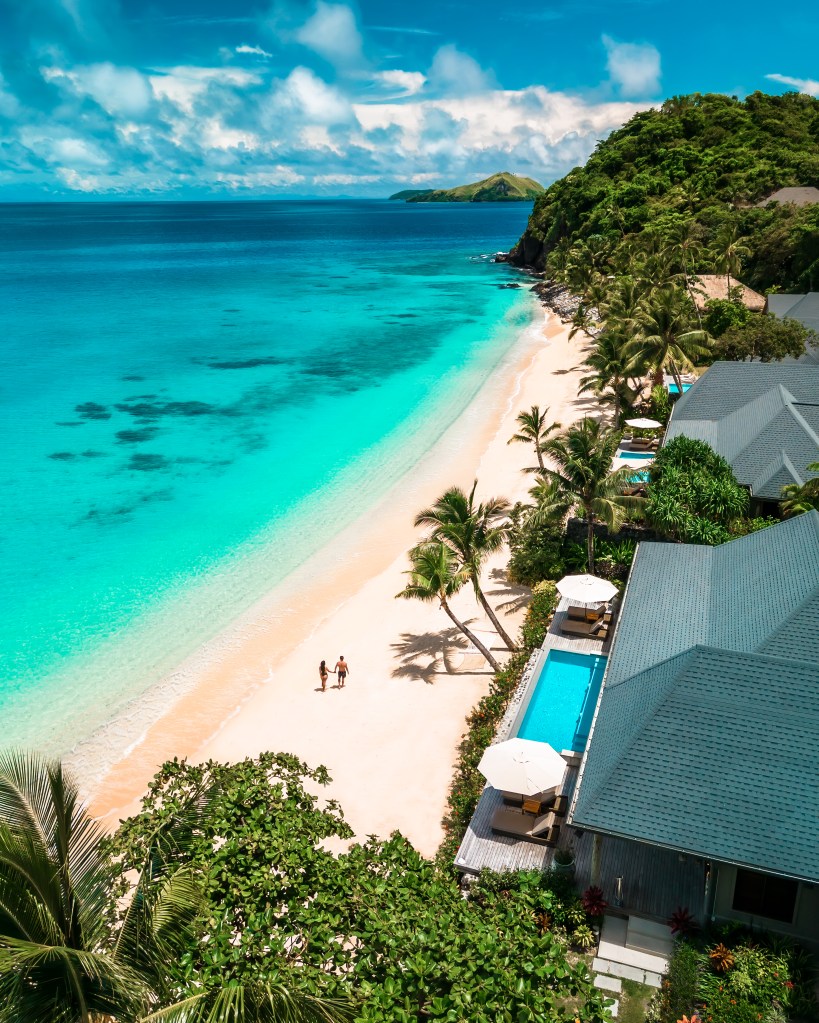
Our arrival and journey to Kokomo was seamless from the first “bula” (Fijian for “hello” and a wish for life and good health). After a 45-minute seaplane ride, we touched down on the crystalline blue waters in front of Kokomo. We were given a salusalu, a traditional garland worn around the neck, and coconut water, and listened to a group of staff members sing traditional Fijian welcome songs.
That warmth and hospitality extended throughout our time at Kokomo, across the interactions we had with staff and when we visited the nearby Dravuni Village, which is home to a small indigenous Fijian community. We heard traditional songs, learned about their hand-woven crafts, participated in a kava ceremony and toured the village with a staff member who’d grown up there.
The business lesson is this: Lean into what makes a destination special, and the cultural touchstones that define it, for an authentic welcome that extends from the first moment to the last.
Designing accommodations with intention and character
Of course, as much as people want to soak up all a destination has to offer, they’ll spend a good portion of their vacation in their accommodations. Ideally, those accommodations capture the destination’s unique characteristics while prioritizing comfort.
From the beginning, the Walkers wanted Kokomo to feel like home, “albeit a rather extraordinary one,” where families could create lifelong memories with the privacy, space and luxury afforded by their own quiet corner of the island.
“For me, true luxury isn’t about formality,” Walker says. “It’s about comfort, freedom, being able to enjoy yourself without feeling constrained by the usual expectations of a hotel. Children should be able to run around, explore and have adventures, while their parents and grandparents can relax and enjoy the island in their own way.”
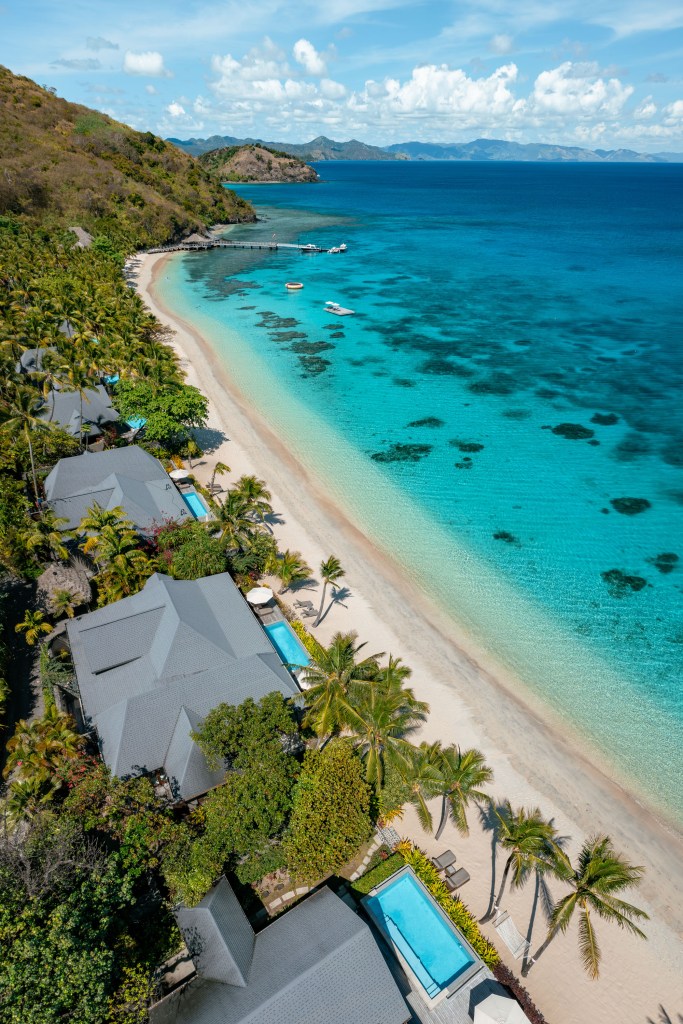
Our one-bedroom beachfront villa, just steps from the ocean, felt sprung from the tropical landscape itself. The high ceilings, neutral stone and wood, and ample windows, the better to display the expansive patio with its private pool and the dazzling ocean view, created an indoor-outdoor flow with understated natural elegance.
When it comes to architecture, interior design, or landscape, embracing what sets the place surrounding it apart from any other, rather than competing with it, helps establish that seamless, one-of-kind experience guests won’t forget.
Crafting elevated dining experiences with local sourcing
Whether a guest is a serious gourmet or not, meals will stand out as part of the experience (a three-times-a-day touchpoint). For remote resorts where guests rely solely on the dining on-site, it’s even more critical to deliver elevated, locally-defined experiences.
Early on, the Walkers realized they had access to the best ingredients on their doorstep — fresh seafood and the climate and space to grow much of the island’s own produce — and built their culinary philosophy around that, Walker says.
“A fish caught locally that morning, vegetables picked from the garden, herbs cut just before they’re used,” she explains. “You can’t get much fresher than that. Building and operating a resort in such a remote location comes with enormous logistical challenges, so growing more of our own food and reducing our reliance on imported produce makes sense on many levels.”
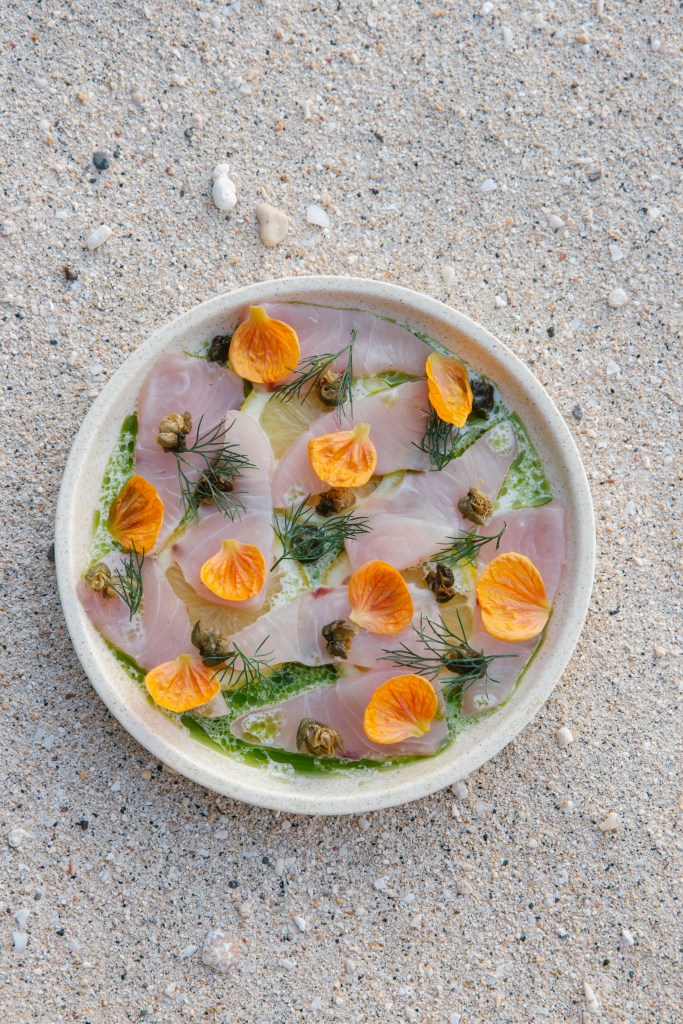
We had a chance to go on a tour with Kokomo’s executive chef Marty Kindleysides. He gave us an inside look at the island’s farm and hydroponic gardens, which help shape the menus across its restaurants: the Beach Shack on Kokomo’s western beach; Walker D’Plank, featuring Asian-influenced cuisine, near the arrival jetty; and the poolside Kokocabana, highlighting Italian-inspired dishes.
From the beautiful lunch Kindleysides prepared for us with farm-fresh ingredients like squash and kale, to all of the meals we enjoyed at the other dining venues, including a showstopping dinner by Chef Caroline during a curry-themed night at Walker D’Plank, the food was flavorful, intentional and reinforced a singular dining experience.
Guests should never feel like the food where they’re staying is an afterthought; it’s another opportunity — and a very memorable one — to showcase innovation and what makes a setting unique.
Creating memorable moments while giving back to the environment
At a remote tropical resort like Kokomo, guests have the luxury of a picture-perfect natural setting offering once-in-a-lifetime activities. But striking the balance between making the most of the environment and protecting it is also critical.
Lang was an avid diver for most of his life and immediately recognized the wonder of the Great Astrolabe Reef. The Walkers saw it as their responsibility to look after it, so they set out to help guests experience and understand it.
“There’s something quite powerful about a child helping to plant coral, or a family learning about the individual manta rays that return to our waterways each season,” Walker says. “Suddenly conservation becomes personal. You’re no longer looking at a beautiful reef, rather, you’re beginning to understand how it works and why protecting it matters.”

We had the opportunity to meet with a marine biologist to learn about the manta rays and conservation efforts. Kokomo has partnered with Manta Project Fiji to research and protect Fiji’s reef manta rays since 2017. More than 500 manta ray sightings were recorded during the most recent monitoring period. We even went to look for them by boat, but unfortunately with it being the tail end of the season, didn’t spot any.
Additionally, the marine biologist led us on a guided coral restoration tour, where we snorkeled over some of the current projects underway. More than 2,000 corals have been transplanted as part of Kokomo’s coral restoration. The island also has six active coral nurseries, which can support more than 10,000 corals per season.
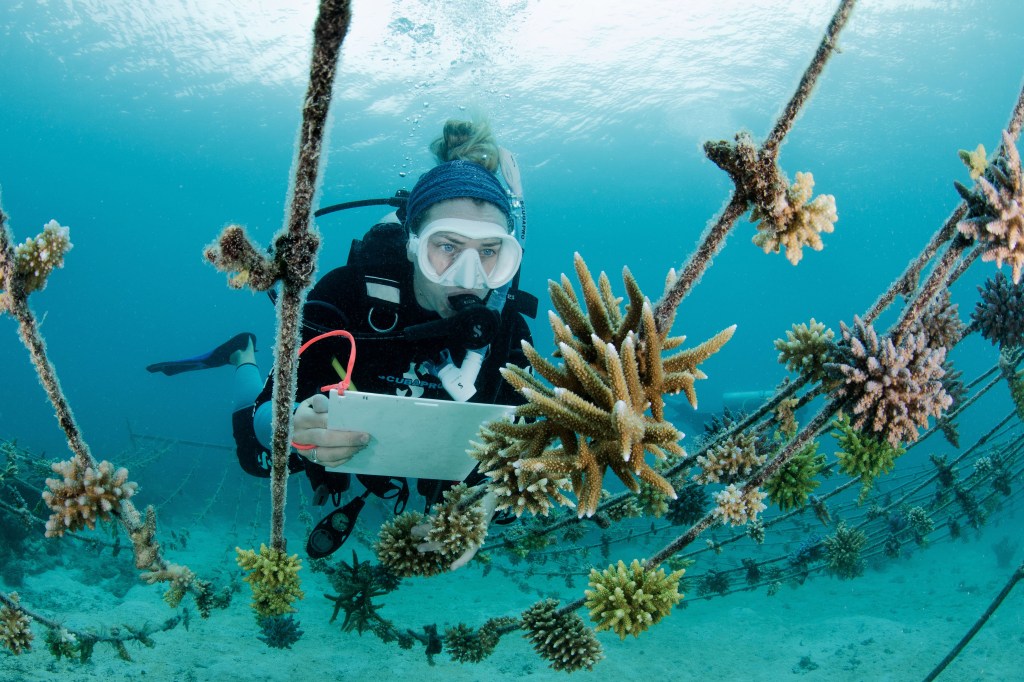
Bringing guests into the very projects that protect the place they’re staying gives them destination-driven, extraordinary experiences while safeguarding them for future generations.
Embracing personalized comfort with a signature, centuries-old touch
Relaxation means different things to different people, but centralizing spa and wellness options in one place, and melding personalized comfort with distinct ambiance, gives everyone the option to design an ideal routine to reset.
The Walkers wanted to build on the feeling guests have upon arrival — everyday life demands removed by the grandeur of nature — and developed the Yaukuve Spa Sanctuary with that in mind.
“The gardens, the tropical landscape, the sense of privacy all contribute to the experience,” Walker says. “I wanted guests to feel that they could completely switch off, even if only for an hour or two. I don’t think wellness needs to be complicated or overly prescriptive. Sometimes the greatest luxury is having the time and space to do what makes you feel good, without the schedule or expectation.”
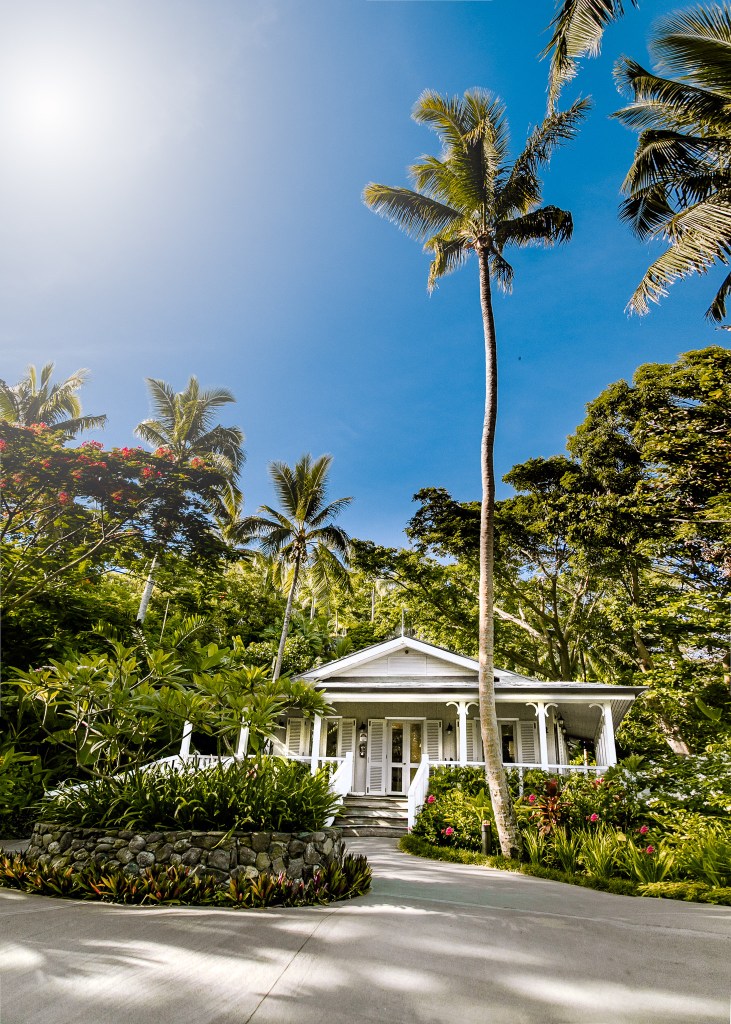
We enjoyed Kokomo’s signature “Pacific Mastery Massage,” which incorporates centuries-old methods from traditional Fijian Bobo, combining variable pressure and rhythmic movement with the preferred oil blend. Before and after the service, we sipped iced hibiscus tea (the flower is often seen in Fijian landscaping) in the garden setting.
Guests will remember how a vacation makes them feel, so making sure they have the option to truly unwind, whatever that looks like for them, is key. Infusing it with a local twist means they won’t forget exactly where they experienced it.
At the end of the stay, as we departed on the one-hour helicopter ride back to the hangar, spotting our villa on the lush island encircled by a shock of turquoise, we came away already nostalgic for the trip, and with a deeper appreciation for Fiji’s natural beauty and vibrant culture.
We would love to return some day (maybe to snorkel with the mantas) — and that’s exactly what the Walkers intended.
“More than anything, I hope guests leave Kokomo feeling they’ve been part of something special,” Walker says. “That they’ve spent quality time with the people they love, experienced the generosity of our Fijian team and discovered a part of the world they’ll always remember. If they leave feeling as though Kokomo is their island home, then we’ve achieved what we set out to do.”