


Last weekend, our daughter joined a party hosted by her classmate’s family at an indoor trampoline park. Now, if you’ve never been to an indoor trampoline park, although kids love them, parents often find them to be utterly chaotic, noisy, and stressful. Understanding this dichotomy, the host parents kindly said other parents could drop their kids off and return to pick them up when the party finished. After all, as working parents, sometimes the only downtime you have on the weekends, or any day for that matter, is when your children are at these sorts of “drop off” parties.
After we engaged with the usual, initial pleasantries with other fellow parents at the start, my wife and I looked at each other and felt like we had an opportunity to exit. Right as we told the host parents we were going to head out, another father who had been standing there with us eagerly interjected, “Oh, I’ll join you guys.”
Yes, this really happened.
We didn’t want to be rude or exclusive, but at the same time, we tried to convey some subtle hints that we actually wanted to spend some quality one-on-one time together. However, he didn’t take the hint and proceeded to tag along with us for nearly an hour as my wife and I strolled hand-in-hand, along a picturesque, tree-lined pathway in the nearby park, feeling rather awkward the entire time he followed us.
Sometimes, we all need conversation enders
This sequence of events reminded me that sometimes, everyone benefits if you’re just upfront and clear about your intentions to peel off on your own. As much as I would like to think this is an isolated case where someone just didn’t read the room or pick up on social signals, this sort of thing does happen in professional networking settings too, where you find yourself in the middle of a conversation you want to exit.
Perhaps due to my cultural upbringing, I always try to be polite and inclusive around others, sometimes to the detriment of myself and everyone else involved. After all, a conversation where any person begins to disengage tends not to be good for anyone anyway. Conversations run their natural course. Sometimes, they feel like sprints when you’re enjoying the limited time you have with someone, and sometimes they feel like marathons when you realize you’re stuck in the wrong conversation with the wrong person at the wrong time.
Regardless of whether you’re having the most amazing discussion ever with the one person you wanted to speak to at an event, you’re starting to check out from an unending monologue someone’s giving about themselves, or you’re sensing that the two other people you’re with seem more interested in talking with each other than with you, at some point, you’ll want to exit that conversation.
CEO: C-suite news, analysis, and advice for top decision makers right to your inbox.
People often talk about the importance of having a good conversation starter. You also need good conversation enders. Here are six ways to end a conversation that are direct, polite, and professional.
1. Would you excuse me? I . . .
This is my go-to conversation ender in most situations because you can complete the last part on the sentence with any sort of legitimate action you want to take in a different place. For example, “Would you excuse me? I’m just going to . . . grab a drink, use the restroom, or get a good seat at the next session.” Most people will simply nod and allow you to leave without blinking an eye.
Now, in some cases, people will not take the hint and decide to accompany you (yes, this has happened to me plenty of times, even when I say I’m going to the bathroom!), but I found that in most cases people fully understand and respect you have other things to do at a busy event other than only speak to them. And the vast majority will understand you may have a whole host of reasons for moving on from a conversation and will not take offense to you politely excusing yourself at any given moment.
2. Should we exchange contact details?
 Saying that you want to exchange contact details not only signals the conversation is coming to close but also keeps the door open to a future conversation. Whether you ultimately decide to contact one another in the future is completely your prerogative, but sharing your details with is a polite way to signal you are open to reconnecting again.
With this in mind, to facilitate post-event communications, I still always carry physical business cards with me at all times. However, if that feels too old-fashioned to you, consider instead having:
your LinkedIn QR code on the home screen of your phone
a digital business card you can quickly access on your phone using apps (like HiHello)
an NFC-enabled physical business card you can tap on someone else’s phone (like Blinq), enabling another person to easily download your contact details directly onto their device, even if there’s no Wi-Fi or mobile signal.
3. It was nice talking with you
 Some people might find this statement rather direct, but I find it to be a nice balance between communicating your appreciation for a person’s time and conveying your desire to move on and connect with others at the event. Even if you have not genuinely enjoyed the conversation, it’s common professional courtesy at the end of every conversation to at least grant the person speaking with you the courtesy of a friendly farewell handshake and polite expression of respect.
4. There’s someone I was hoping to catch
 Most people understand that at any given event, you may want to reconnect with people you already know and/or network with new individuals you don’t yet know during your limited time there. As long as you say it politely, stating you were hoping to speak with someone else before they take off is a perfectly reasonable intent most people will respect and not take offense to.
I typically reserve this statement for situations where I am genuinely interested in grabbing an opportunity to catch somebody before they leave, but I suppose you could also say this to move yourself to a different part of the room even if there is not an actual person you want to connect with. Most people are not going to track your movements that closely after you move on from their conversation.
5. I’ll let you get back to the conference
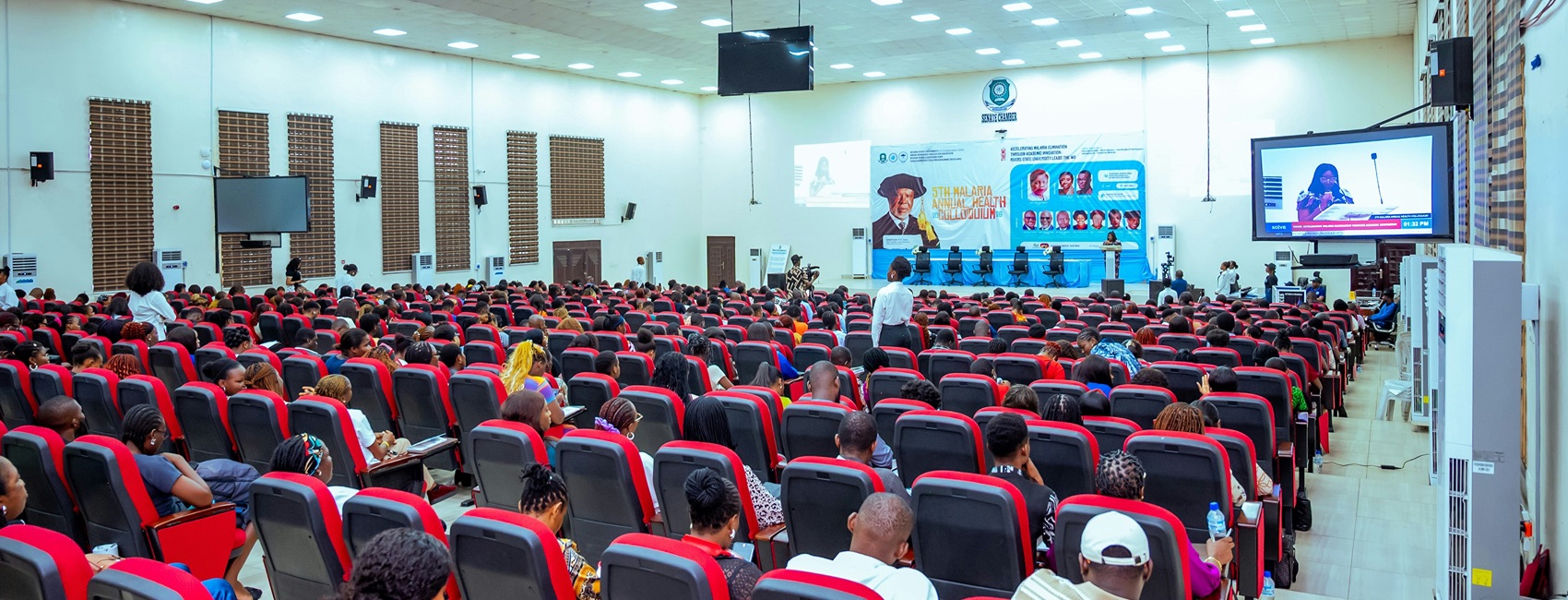 Whenever you’re in any sort of busy conference or large event setting, you can assume that fellow attendees are balancing a lot of demands and trying to make the most of their limited time at the event. My general working assumption when I’m at an event, is that no individual wants to spend all their time with me and vice versa.
Most professionals will assume you also understand this professional dynamic. People will generally appreciate you granting them the space and freedom to get to their next session on time, do whatever else they want during the break, or simply roam around and chat with others.
6. Well, I don’t want to monopolize your time
 I wish more people would adopt this philosophy at busy events, especially with guest speakers or presenters at conferences. As someone myself who gives nearly 100 talks each year, after I’m done delivering my talk, I’m typically happy to stick around afterwards to answer individual questions from audience members, but my time is often limited too. I’ve had more than my fair share of instances when a single individual insists on diving into a very elongated conversation, monologue, or endless series of questions about their own unique situation, even though a long line of people is patiently waiting to also speak with me.
You can only accomplish so much in a short, limited amount of time with someone, especially an event speaker. If you try to cram in too much in a single conversation or corner a speaker at a crowded conference with others waiting in the wing, you risk coming across as selfish and inconsiderate. And if you think insisting on following that person down the hall or even down the street—yes, that’s happened to me too—as they’re trying to exit the venue is a thoughtful gesture, trust me, it generally doesn’t land well.
In contrast, when you instead say you don’t want to take up too much of someone’s time, it not only signals thoughtfulness but also your social awareness of someone feeling spread very thin when a lot of other people are trying to speak with them.
Conversation Enders Allow People To Carry On
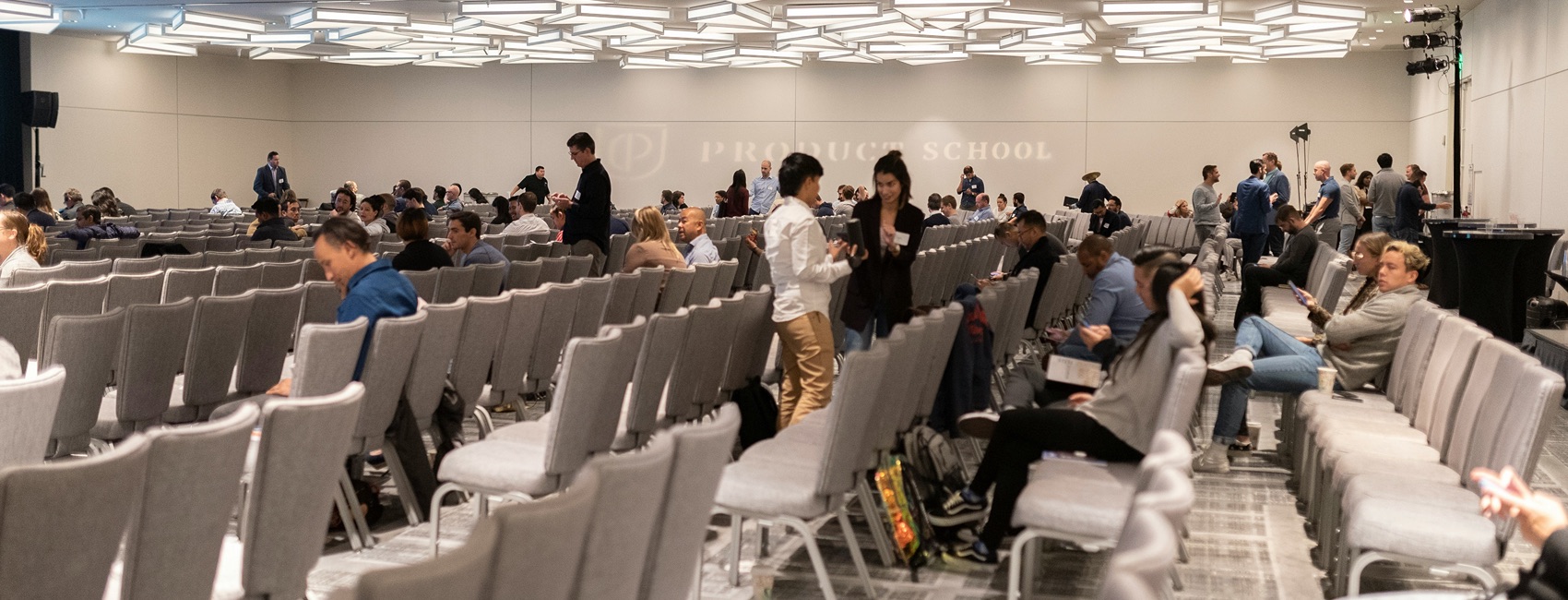 Although these statements can help you escape from a conversation, the art of networking has less to do with following specific scripts and more to do with your ability to read the room and use your emotional intelligence to ensure you exit respectfully and thoughtfully. No one wants to feel devalued or shrugged off, but as long as you kindly excuse yourself while being as polite as possible as you make your exit, most people won’t mind.
Similarly, if someone’s trying to move on from you, don’t be that person who doesn’t take a hint. Just as you should try your best to welcome someone who attempts to join your conversation, you should also respect someone’s desire to end a conversation. You’ll never go wrong by respecting people’s time and space, allowing interactions to ebb and flow naturally rather than forcing them to go in a specific direction, which just results in awkwardness.
Many events can feel crowded, stressful, and rushed, so don’t hold it against someone when they’re simply trying to end their conversation with you. Remember that others are not trying to be abrupt or rude. They may simply want to maximize the limited time they have at an event, mingling with more people, connecting with a key contact, or just doing something else on their agenda, which is less about you and more about their desire to focus on their individual priorities at that specific moment.
Similarly, when you decide to end a conversation, don’t feel like you have to over-apologise for excusing yourself. Most people understand this is rarely personal, and assuming you managed to exchange contact details, you always have the option to reconnect at another time that’s better for everyone.
This was originally posted on Forbes.