
Defamation can cause detrimental damage to your reputation — personally, professionally, and publicly. While defamation happens both online and off, social media platforms in particular are a hotbed! And what’s worse is their algorithms thrive off it.
Afterall, controversy increases engagement and engagement increases profits! Not yours, though… In fact, a damaged brand often leads to lost opportunities and financial harm.
Defamation on Social Media
Defamation can come in two forms on social media: libel and slander. Libel is defamation communicated through a fixed or permanent form, whereas slander is defamation communicated orally.
- Examples of libel on social media:
- A co-worker blasts you on X and accuses you of workplace misconduct.
- An internet troll starts a Reddit smear campaign against you.
- An unhappy costumer floods your Yelp! with fake reviews.
- A hater tries to get your brand deal rescinded by leaving defamatory comments on every related post.
- Examples of slander on social media:
- A competitor spreads rumors about you on TikTok and disparages your brand.
- A YouTuber starts a series to expose you for crimes you did not commit.
- A frenemy spreads misinformation about you on their public Snapchat
- An ex goes live on Instagram and falsely accuses you of spreading a sexually transmitted disease.
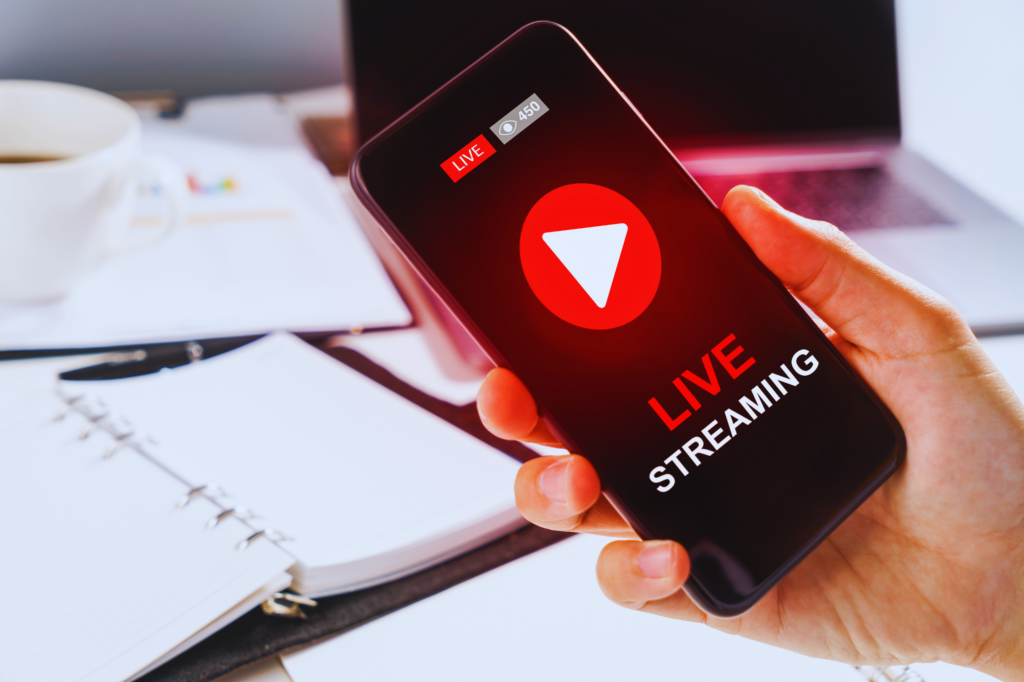
Determining If You Were Defamed on Live Stream
Given the temporal nature of live streams, people falsely assume these videos can’t come back to haunt them. When you put yourself online, though, you risk staying there forever. (And by ‘there’, we mean in someone’s camera roll or their iCloud or the Internet Archives.)
If you’ve been slandered on live — whether in the comments or by the host — 9 times out of 10, a screenshot or screen recording of the defamation exists. Especially if the speaker showed screenshots, referenced receipts, and quoted documents throughout the live. If not, at the very least, viewers of the live stream will be conversing (most likely on X or Reddit) about the “tea”.
Criteria for a Defamation Case
For a statement to be considered defamatory, it must be:
You must prove that the statement was false or that the facts were represented in a misleading way.
You must prove that the statement was seen, read, or heard by a third-party.
You must prove that the statement is about you or implicitly references you.
You must prove that the statement caused you material harm or reputational injury.
You must prove the statement was made with reckless disregard for the truth or negligently.
Legal Recourse for Victims of Defamation
- Cease and Desist Letters
A defamation lawyer can draft a cease-and-desist letter that formally demands the speaker stop their activities. In the letter, you can also demand the speaker make a public retraction.
- Defamation Lawsuits
If your demand is ignored, you may be able to file a civil lawsuit against the speaker. An experienced defamation lawyer can advocate for you and will work to secure fair compensation for any harm suffered.
How a Lawyer Can Help with Damage Control
Regardless of the chosen strategy or the outcome of your case, RM Warner Law can help you deal with the aftermath. We’ve helped hundreds of clients restore their public image using tried and true strategies. Our legal team is well-equipped to guide you through the reputation rehabilitation process.
Scrubbing something off the internet is a daunting task! Even more so if it’s been posted on social media. Section 230 of the Communications Decency Act shields platforms and providers from liability over user-generated content. Having no legal incentive does make the removal process more challenging, but it doesn’t make it impossible!
An RM Warner lawyer can liaise with the hosting website to remove the content or secure a court order to prevent it from appearing in search engine results. A court order is an official legal proclamation for action to be taken — which means failure to comply can result in severe repercussions. This looming threat makes platforms much more likely to act.
Next Steps to Defend Your Reputation
Word travels fast, especially online! If you’ve been defamed, don’t wait to take legal action. Even if you don’t know the defamer, justice can still be served. Speak with one of our defamation lawyers today. Contact us to schedule a consultation.
RM Warner Law focuses on these types of legal matters and will fight diligently on your behalf. We deeply understand how online content can affect reputations and relationships so we’ll do everything we can to restore your good name!
Connect with us on Instagram, YouTube, or TikTok to learn more about defamation.