
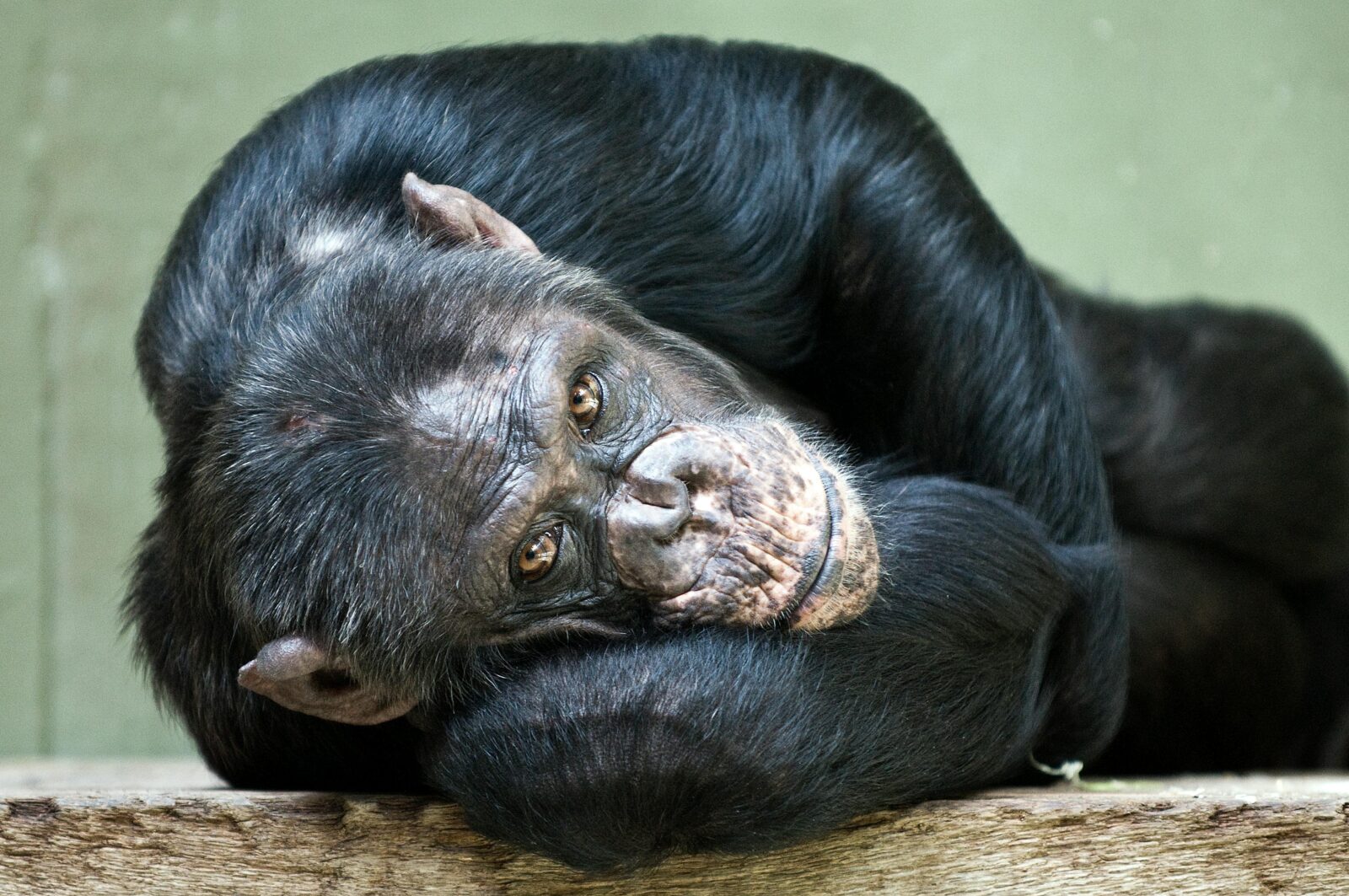

Jane Goodall has recently passed away at the age of 91. Her story is that of a pioneer. Without a university degree, without major resources, only with overwhelming passion and iron determination, she became a global icon.
How did she do it? And, more importantly, what can you learn from her life to strengthen your own leadership?
1. THE POWER OF OBSERVATION (AND OF QUESTIONING EVERYTHING).
When Jane arrived in Tanzania in 1960, the scientific world held a very rigid and distant view. Instead of accepting those imposed “truths,” Jane sat down, observed, and trusted what she saw. She witnessed how chimpanzees used tools, showed affection, and had complex social structures. She challenged the status quo with evidence and curiosity.
APPLICATION TO YOUR LEADERSHIP: How often in our organizations do we accept processes or dynamics simply because “that’s the way it’s always been done”? True leadership is born from the ability to observe the environment with fresh eyes. Actively listen to your team, understand their real motivations, and dare to propose solutions no one else has seen. A good leader doesn’t settle—they question, analyze, and seek a better way of doing things.
As Jane Goodall used to say, “What makes us human is our ability to ask questions.”
2. STRATEGIC PATIENCE: TRUST IS NOT A SPRINT.
Jane spent months and months in the jungle before the chimpanzees accepted her into their circle. She didn’t force the situation. She didn’t give in to frustration. She simply stayed there, day after day, showing through her presence that she was not a threat. She earned their trust with consistency and respect.
APPLICATION TO YOUR LEADERSHIP: We live in the age of immediacy, but real leadership is built on trust—and trust develops slowly. It cannot be imposed; it must be earned. It requires patience to build a solid relationship with your team, to understand each person, and to demonstrate through action that you are a leader who can be trusted. Quick results may be appealing, but the sustainable success of a team is grounded in consistency and mutual respect.
3. EMPATHY AS A TOOL FOR CONNECTION.
Jane Goodall was harshly criticized for giving chimpanzees names instead of numbers. She was accused of being “unscientific” and of “anthropomorphizing.” But she stayed firm in her empathetic approach because it was the only way to truly understand their behavior. That connection was the key to her success.
APPLICATION TO YOUR LEADERSHIP: Do you see your team as a set of resources or as a group of people? A leader who connects is a leader who leads better. Empathy allows you to understand the concerns, ambitions, and challenges of your collaborators. Empathetic leadership is not a sign of weakness but of emotional intelligence. It is the most powerful tool to motivate, resolve conflicts, and create a work environment where people feel valued and committed.
“The greatest danger to our future is apathy.” —Jane Goodall
4. FROM PASSION TO MISSION: A LEGACY THAT INSPIRES.
What began as a passion for animals turned into a global mission for conservation and hope. Jane Goodall could have remained in her comfort zone as a respected researcher. Instead, she continues traveling the world, inspiring millions to take action. She transformed her personal purpose into a shared vision.
APPLICATION TO YOUR LEADERSHIP: A leader manages tasks, but an exceptional leader inspires through purpose. What is your team’s “why”? What impact does their work have beyond the numbers? Your ability to communicate a clear and inspiring vision is what will set your leadership apart. When people feel that their work contributes to something bigger than themselves, their commitment and performance multiply.
“If you want something, you have to work hard, take every opportunity, and never give up.” —Jane Goodall
Jane Goodall’s life teaches us that you don’t need an important position or a conventional path to lead with extraordinary impact. You need curiosity, patiece, empathy, and a mission that drives you.
I’ll end with a quote that perfectly sums up the philosophy of Jane Goodall:
“What you do makes a difference, and you have to decide what kind of difference you want to make.”