
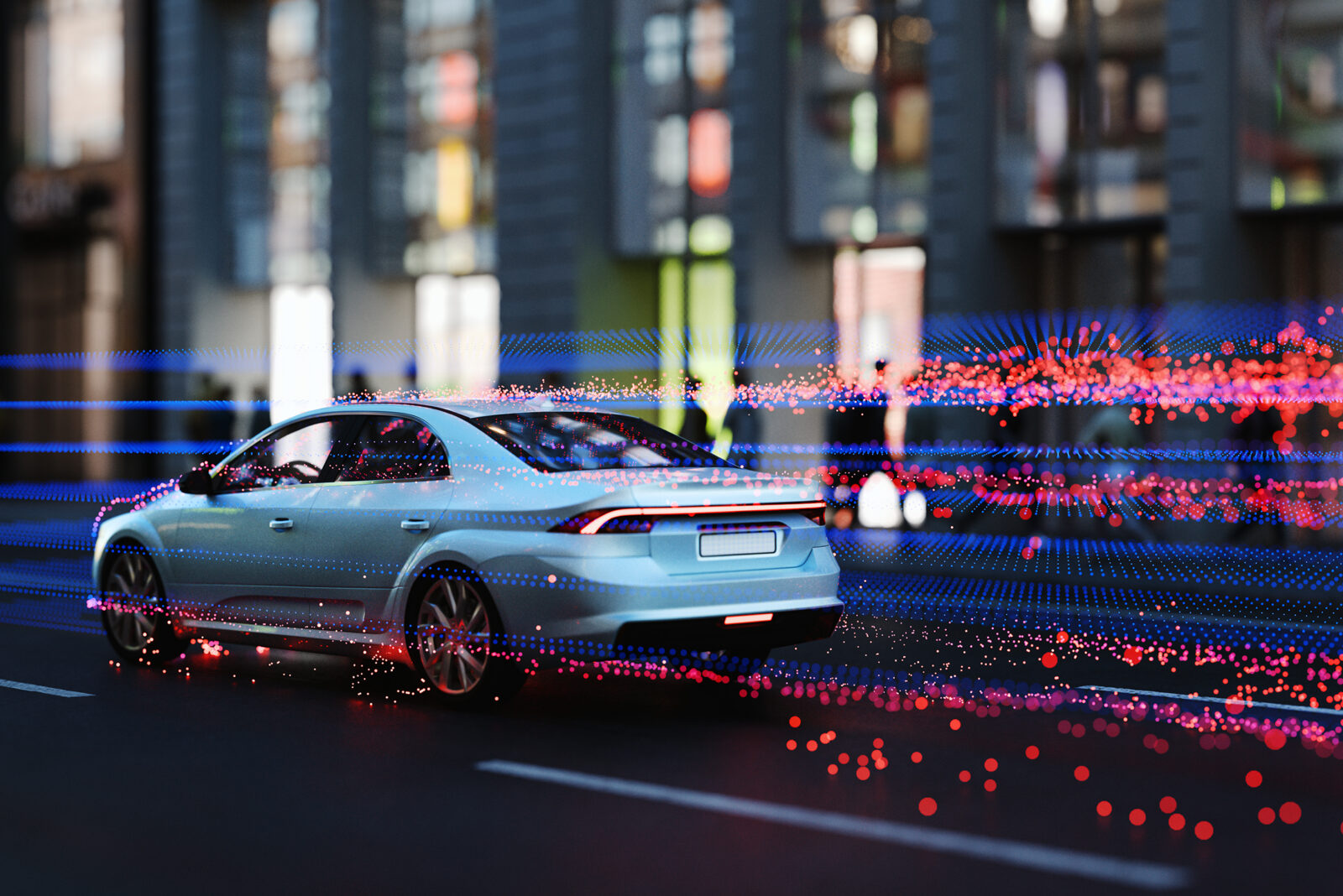

Add one more thing to the list of devices collecting data on you: your car.
A new Northeastern University study conducted with Consumer Reports tested 21 vehicles from 19 brands, along with 30 companion apps. Every vehicle sent data to at least one third-party domain, and more than half contacted advertising, tracking or analytics companies. Seven apps transmitted identifying details like phone numbers, VINs and precise locations.
The findings come months after the FTC finalized an order barring General Motors from sharing drivers’ location and driving data with consumer reporting agencies for five years. California regulators have also fined Ford and Honda for making it hard to opt out of data sharing. Consumer Reports says this is the first study to map car data sharing between vehicles, apps and outside companies.
“I think the conclusion is that there’s a lot to be worried about,” David Choffnes, the project lead and former director of Northeastern’s Cybersecurity and Privacy Institute, told The Verge. Automakers’ responses vary. Some defend the practice as legal, while Honda had its analytics provider delete location data and updated its app to stop sending it.
Add one more thing to the list of devices collecting data on you: your car.
A new Northeastern University study conducted with Consumer Reports tested 21 vehicles from 19 brands, along with 30 companion apps. Every vehicle sent data to at least one third-party domain, and more than half contacted advertising, tracking or analytics companies. Seven apps transmitted identifying details like phone numbers, VINs and precise locations.
The findings come months after the FTC finalized an order barring General Motors from sharing drivers’ location and driving data with consumer reporting agencies for five years. California regulators have also fined Ford and Honda for making it hard to opt out of data sharing. Consumer Reports says this is the first study to map car data sharing between vehicles, apps and outside companies.
“I think the conclusion is that there’s a lot to be worried about,” David Choffnes, the project lead and former director of Northeastern’s Cybersecurity and Privacy Institute, told The Verge. Automakers’ responses vary. Some defend the practice as legal, while Honda had its analytics provider delete location data and updated its app to stop sending it.