
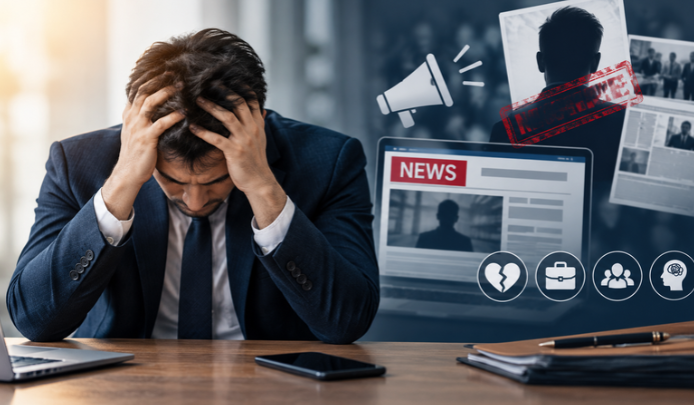

Any negative media coverage can harm your reputation long after the initial story gets published. False or misleading claims can impact how employers, customers, colleagues and even your close associates see your personal character. Defamation in the media can also lead to financial challenges when the published information affects business relations or the loss of job opportunities. The effects will also increase when the information is circulated on websites and social networks.
Knowing about the impact of defamation in various aspects of life will enable you to recognise its significance and act accordingly.
Damage to Your Professional Reputation
The image of people is directly linked with their professional life. False allegations may be used by employers, customers, co-workers and business partners to make judgments about an individual. An evaluation that considers you dishonest, incompetent or involved in misconduct can make people doubt your credibility.
It may take some time to clear the impression even if the rumour is baseless. You can lose your client, an opportunity or get questioned about your professional conduct. It is important to note that reputational damage can affect someone’s image if they work in a regulated profession.
Loss of Business and Financial Opportunities
Defamatory coverage can affect a business as well as an individual. A false statement about a business owner, company director or professional may discourage customers from using a service or suppliers from maintaining a relationship.
The financial effect may not appear immediately. A potential client who chooses a competitor after reading a damaging report may never explain the reason. This can make the full commercial impact difficult to identify.
Strained Personal and Professional Relationships
Reputation also affects relationships outside the workplace. Friends, relatives, colleagues and community members may encounter a media report without knowing whether its claims are accurate.
Someone facing negative coverage may have to repeatedly explain or defend themselves. This can place pressure on personal relationships and create embarrassment or distress. A wider publication can expose the allegations to many more people.
Long-Term Effects of Online Publication
Defamation on the Internet involves news websites, social media posts, online forums, reviews or other digital content. The material may also be copied or reposted following its initial publication.
Search engines can make older reports easy to find. An individual researching you by name months or even years later may find the original allegation without having knowledge of the entire situation. Screenshots and reposting may also keep going even if the original material gets removed.
Not all the negative statements on the Internet are defamatory. The legal position depends on the publication, its meaning, the circumstances and any applicable defence. Truth, honest opinion and other legal protections can be relevant.
Damage to Trust and Personal Credibility
Trust can take years to build and can be affected quickly by a serious allegation. Media coverage may cause people to question your character even when you have not been found responsible for the conduct described.
The wording and presentation can matter. Headlines, photographs, captions and repeated references can influence how readers understand the story. A publication that creates a misleading impression may therefore have consequences beyond the specific words used in the main article.
Difficulty Controlling the Story
One of the most difficult aspects of defamatory coverage is that the person affected may have limited control over how the story develops. Readers may share the report, discuss it online or repeat the allegations.
An immediate public response can sometimes make matters harder. A sensible approach is to preserve evidence and consider the available options.
Useful records may include:
- A copy or screenshot of the publication
- The web address, publication date and time
- Related social media posts or comments
- Messages showing how people responded to the material
- Evidence of financial consequences
When to Speak With a Legal Professional
Early legal advice can assist you in understanding your position where you feel that media coverage has unfairly defamed you through false statements. The lawyer can look at the actual publication, determine whether it is defamatory and identify possible responses.
Social media defamation lawyers can help when damaging material appears on social networking platforms or other online channels. In addition, they may address matters concerning republication and the evidence needed to establish what was published and how it was understood.
If the matter concerns Western Australia, defamation lawyers in Perth can provide information about the state laws in force and what options are available.
Conclusion
Defamatory content in media reports may affect employment, business dealings and trust even years after the initial publication. Protect the evidence and seek expert help immediately if you believe a publication has damaged your reputation.
An accurate assessment at this point will help you to know your rights and the appropriate course of action