
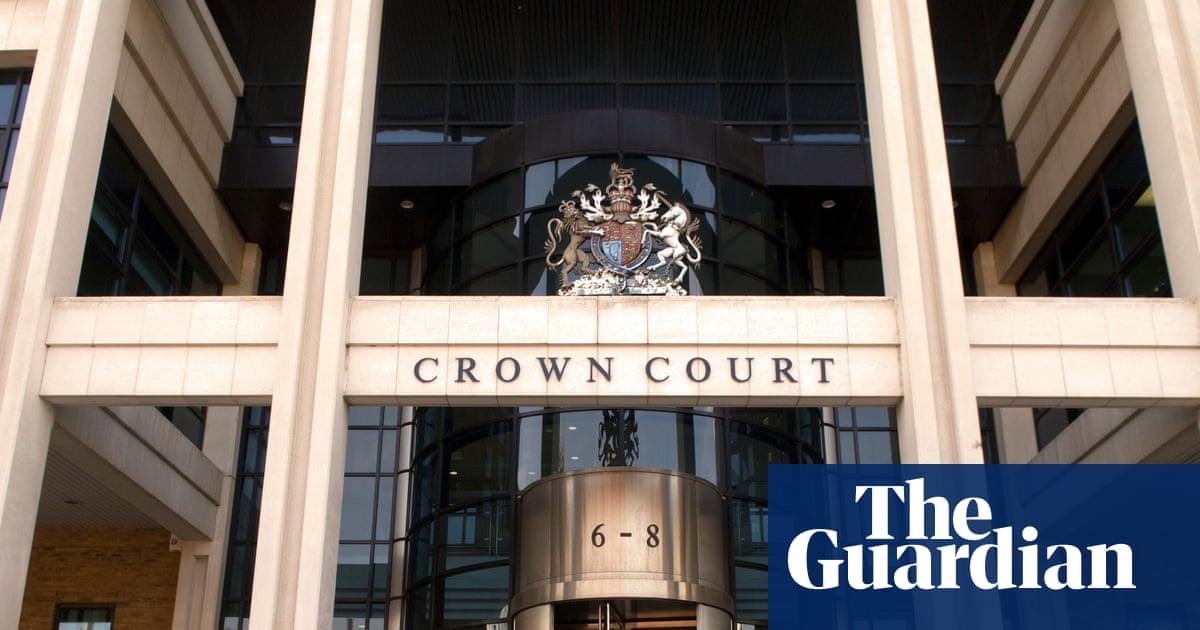

In your report (‘Pull back the curtain’ on treatment of sexual assault victims in court, says UK government adviser, 15 November), Prof Katrin Hohl suggests that while significant progress has been made by police forces and the Crown Prosecution Service, the court system was being left behind.
It seems to be little known that for many years judges have been trained to direct juries to ignore rape myths and direct them that many victims of sexual assault are unable to physically resist and often delay reporting the assault. Juries are directed that this should not cast doubt on their accounts of being assaulted.
Examples of the full direction can be found in the published crown court compendium, which observes that “There is a possibility that juries will make and/or be invited by advocates to make unwarranted assumptions. It is important that the judge should alert the jury to guard against this.”
The court of appeal has stated that “We accept that the effect of each direction may be to bolster the evidence of a victim; but it only bolsters their evidence to the extent necessary to prevent unfairness to the victim caused by the stereotypical thinking against which it warns.”
This does not prevent the defence relying on this unattractive and out‑of-date tactic, but, given that the jury can receive these directions in writing to take into the jury room, it may well backfire if they do.
Paul Keleher KC
London
Gaby Hinsliff is right to ask questions about the role that the law is playing in keeping serious allegations of wrongdoing out of the public domain (Don’t just blame the culture for keeping powerful men’s dirty secrets. Blame the law too, 13 November). Many academics share her concerns.
While not perfect, the law of defamation contains free-speech protections that have been developed over centuries. They seek to strike a delicate balance between protecting individual reputation and allowing genuine allegations of serious wrongdoing to reach the public consciousness.
Like Hinsliff, numerous legal commentators have challenged the idea that powerful people should be able to dodge those free-speech protections by bringing actions in privacy, harassment or breach of confidence instead.
Prof Nicole Moreham
Co-editor, The Law of Privacy and the Media (fourth edition)