

Opinions expressed by Entrepreneur contributors are their own.
Key Takeaways
- Senada Greca traded motivation for discipline, and discipline is what carried her from crisis to Kim Kardashian’s trainer.
- Greca turned the hardest chapter of her life — depression, an eating disorder, raising her family at 14 — into the exact expertise her business is built on.
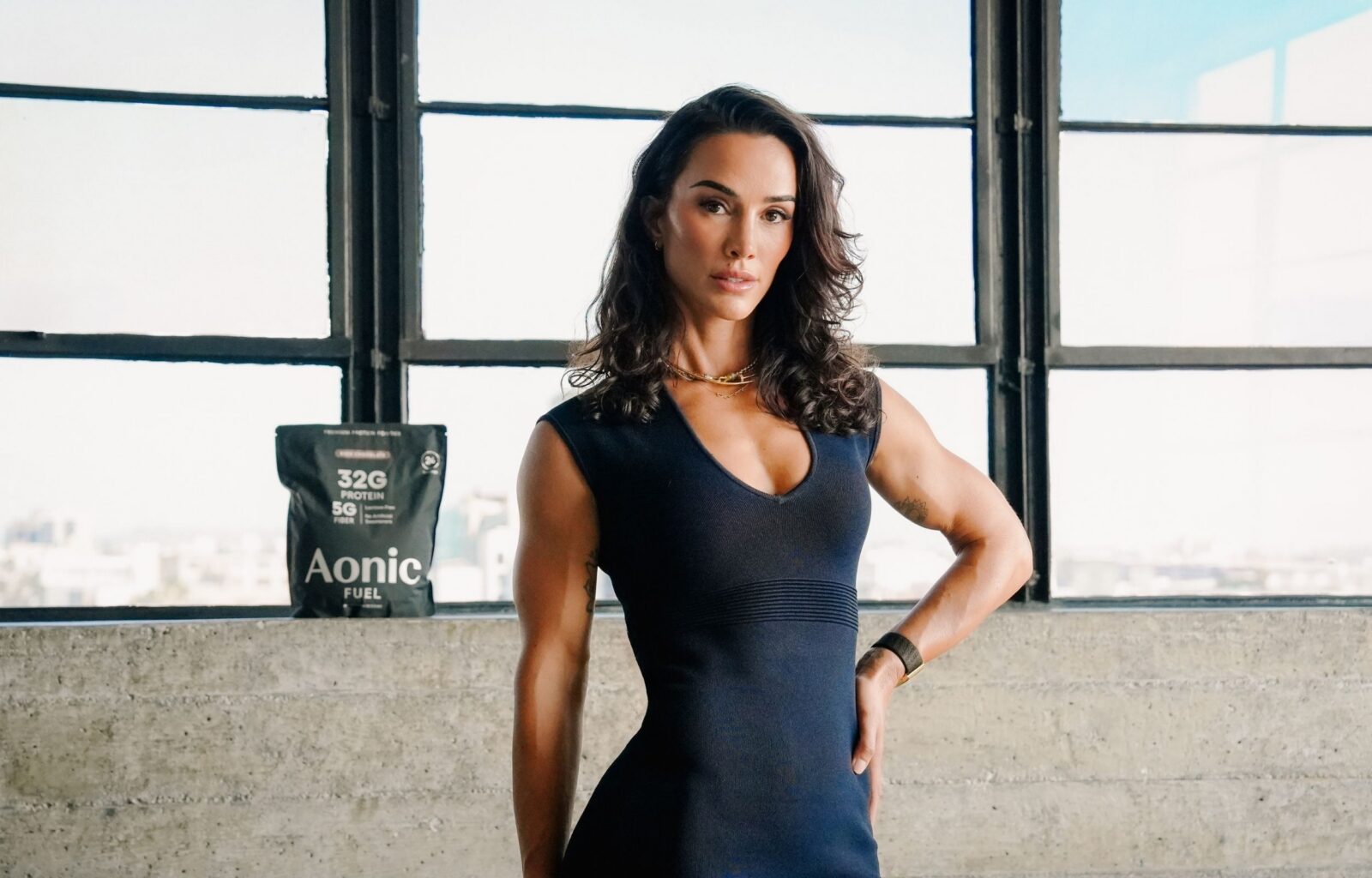
Many of the best entrepreneurs turn their biggest weaknesses into their greatest strengths. Celebrity trainer and wellness entrepreneur Senada Greca is a perfect example. After struggling with depression, anxiety and eating disorders early in life, Greca went on to become one of the world’s leading voices in wellness, training megastars like Kim Kardashian, building a following of more than 10 million across platforms, and founding multiple wellness companies, including Aonic and WeRise.
All it took was a mindset shift.
Turning struggles into strength
Greca grew up under a communist regime in Albania, where her family faced hardships including food scarcity. She moved to the U.S. at 14, where she experienced a massive culture shock.
“I was stepping into womanhood during that time, so I went from scarcity in a communist country to now plentitude of different things, and responsibilities changed,” she shares. “Now I was the only one in the family that spoke English and had to kind of carry the family at 14. And that started eating disorders, depression, anxiety.”
Rather than succumb to those negative thoughts, Greca found an outlet in fitness and eventually learned the power of healthy eating and strength training.
She shifted her mindset from trying to be as skinny as possible to becoming as strong as possible, and replaced motivation with discipline.
“Motivation is a feeling,” Greca explains. “It’s transient. We feel like working out today. We might not feel like working out tomorrow. But when you build that discipline day in and day out, that’s what carries you through when motivation is lacking.”
Eventually, she applied that same philosophy to her career.
“I very much liken building a strong body to building a strong business, but on a much bigger scale,” she says. “It’s pushing through those tough days, making those tough decisions, showing up when you absolutely don’t want to.”
Greca’s fitness journey started as a pursuit of personal improvement. But once she realized how much better her new lifestyle made her feel, she felt compelled to share it with others, posting workouts and fitness tips on social media. At the time, fitness was still a hobby, not a career. Greca holds an MBA and had previously worked in finance and sales, filming workouts for Instagram in her spare time. As her following grew, she saw an opportunity.
“I’ve always wondered, would my training methods work for somebody else?” Greca shares. With her newfound success on social media, the answer seemed to be yes. She decided to take it a step further and founded her first company, WeRise.
“WeRise was taking that philosophy that I built for myself,” Greca shares. “Helping women step into the strongest version of themselves, and not just physically, but mindset as well. Overcoming traumas, overcoming imposter syndrome, overcoming career development problems that they had.”
It started as a standard fitness app, but has since evolved into what Greca describes as “your partner in transformation,” combining strength training, personal coaching from Greca, nutrition tips, and a built-in community designed to keep users accountable. In many ways, it’s like having a virtual gym in your pocket.
The concept took off, and alongside Greca’s rapidly growing social media presence, it caught the attention of one of the world’s biggest celebrities: Kim Kardashian.
The Kardashian connection
Kardashian discovered Greca through social media and was impressed by the years of work showcased in her online portfolio. The two connected, and Kardashian eventually hired Greca as her personal trainer, one of the most high-profile behind-the-scenes jobs in Hollywood.
“She appreciated my discipline, my story, and what I’d accomplished, so that’s how she found me,” Greca recalls. “I like to say that you can’t control who discovers you or your work, but you can control what they find when they do. So when that opportunity came, I was ready for it. I didn’t chase it, but it happened, and I’m glad it did because it introduced me to so many opportunities that I’m incredibly grateful for.”
Greca adds that she’s training Kardashian with the same methods she uses on the We Rise app, which Kardashian recently shared on social media during Greca’s September workout challenge.
Working with Kardashian gave Greca an even bigger platform and added credibility with an audience eager to learn about the celebrity’s workout and nutrition habits. That experience partially inspired Greca’s next venture, Aonic Wellness.
Wanting to show people the reality behind her own routine, Greca founded Aonic as a science-driven supplement company focused on educating consumers about wellness.
Greca has never directly asked Kardashian to promote her businesses, but organic opportunities have arisen nonetheless. “Kim has shown this before on social media, but she loves Aonic,” Greca says. “She loves creatine, Aonic build, and the Aonic fuel, especially the cans.”
Ending the markup
Kardashian’s enthusiasm reflects a broader cultural trend.
“I kept seeing people who wanted to take care of themselves in a much better way through supplementation, but without the confusion and stress,” Greca shares. “There’s so much confusion when it comes to health and wellness, especially with healthcare optimization. I think sometimes that confusion is created so people can sell you something. With Aonic, we wanted to simplify that.”
That philosophy is summed up in Aonic’s motto: “end the markup.” Greca believes the wellness industry has become saturated with premium products and prices, often adding costs that have little to do with the quality of what’s inside. Aonic aims to take a different approach.
“We’ve changed the economics of the category itself because it’s gotten so packed with premium brands,” Greca explains. “They’re adding different ingredients so they can justify the premium prices. We didn’t want to become another brand like that. We wanted to end that premium pricing, which incorporates all of the marketing, advertising, logistics, and warehousing.”
Instead, people can join the Aonic Club, pay an annual membership, and get products at cost. “This way the quality stays, and the markups get ditched,” Greca proclaims.
AI powers part of Aonic’s effort to reduce prices, which Greca believes should lower costs for consumers, not just increase profits for companies.
“I don’t know that I love AI, to be honest with you, or where some things could potentially be heading,” she says. “But if we utilize it smartly, I think we can use it with Aonic to cut costs across sourcing, operations, manufacturing, finance, and branding, and bring those savings to the consumer. AI is being used in Silicon Valley to make companies loads of money, but nobody is really thinking about how it can reduce costs for consumers. I think we’re leading that effort, especially when it comes to supplement brands.”
Building beyond herself
Unlike many influencers who build brands around their personal identities, Greca doesn’t want herself to be the main focus of her companies.
“I want the brands, whether it’s WeRise or Aonic, to grow beyond my relevance,” Greca shares. “I want them to encompass everything wellness while staying true to the standards of quality we’ve established in these early stages. I want to keep those standards as we grow, keep the products affordable and accessible, and continue using innovation, AI, and technology not to enrich our own pockets, but to pass those savings on to the consumer and help people take better care of themselves.”
Greca became emotional as she reflected on the bigger mission behind her companies.
“It’s not, ‘How can I make as much money as possible?’ It’s, ‘How can I help as many people as possible in the best way possible, in the most accessible way possible?’” she says. “Because, again, like I’ve said before, if you try to capitalize on the trust of people with every single thing that gets thrown at you, you’re eventually going to deplete that trust fund, as I call it.”