
Your online presence significantly impacts professional opportunities. Employers and business partners scrutinize your digital footprint when making decisions.
This article highlights the importance of managing and improving your digital footprint, the risks of a negative online reputation, and offers practical tips for enhancing your digital presence.
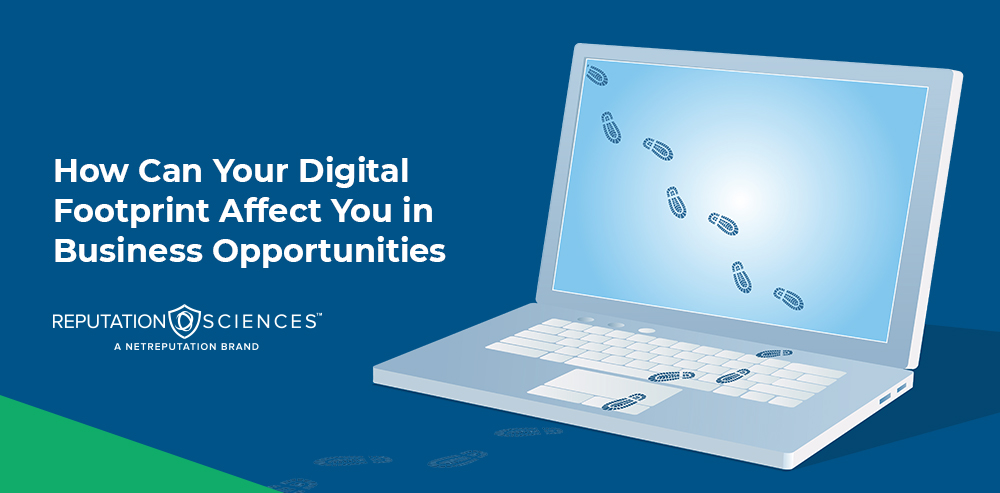
A digital footprint, or online footprint, is the trail of data left by your online activity, including information collected from browsing, social posts, and online purchases.
Data generally falls into two categories: passive and active digital footprints. A passive digital footprint comes from data collected automatically, while an active footprint comes from the information you intentionally share online, along with other activity tied to that sharing.
Understanding your digital trail is vital in the digital age, since your digital footprint matters to both reputation and security. For instance, companies collect information from your browsing habits to profile you for advertising, which can, in turn, affect your online privacy.
Your digital footprint is crucial because it can significantly shape both your personal and professional life. It influences your online reputation, career opportunities, personal relationships, and overall safety and privacy. As a result, employers often use your digital footprint to evaluate job suitability by examining social media accounts, posts, online reviews, and other public information.
Specifically, they look for consistency between your resume and your online presence, assessing professionalism, personal conduct, and how you present yourself across platforms. In fact, 88% of hiring managers consider social media content when making hiring decisions. Likewise, potential business partners analyze your digital footprint to gauge credibility, reliability, and reputation.
To validate your professional standing, many partners conduct digital audits to ensure your online persona aligns with your real-life accomplishments. Public posts, profiles, old accounts, and other online data can be combined to build detailed profiles that reveal personal information and, in some cases, lead to negative consequences.
Ultimately, a solid online reputation fosters trust, attracts clients, and opens new business opportunities. Because these digital traces can last for years, or even permanently, outdated content and misinformation may continue to affect your reputation long after they were first shared.
A negative digital footprint poses significant privacy risks, including damage to your online reputation, loss of anonymity, and exposure to identity theft and fraud.
Identity Theft and Cybercrime
Cybercriminals can use exposed personal details, breached records, and other publicly available data to access sensitive information, attempt account takeovers, and exploit security questions. For example, 1.4 billion social media accounts are hacked every month, and data breaches routinely expose personal information online.
Career and Professional Risks
For job seekers, employers increasingly scrutinize online behavior. Consequently, controversial opinions or inappropriate conduct can raise doubts about professionalism and suitability for a role, even long after the content was posted.
Business and Partnership Risks
Similarly, in business, a tarnished online identity can diminish opportunities by undermining credibility and trust. Since potential partners and clients often base decisions on online presence, reputation management becomes a business priority rather than an afterthought.
Personal Safety Risks
Meanwhile, exposed location settings, IP addresses, and other sensitive data can create real threats to personal safety through doxxing, location tracking, and increasingly convincing scams. Therefore, proactive steps such as monitoring online mentions, addressing negative feedback, and showcasing expertise through positive interactions are essential to maintaining a favorable digital presence.
Conduct a Search on Yourself
First, search for yourself using search engines like Google to get a clear view of your online reputation. Keep in mind that deleted content may still remain accessible through backups or screenshots, which is exactly why regular self-searches matter. Examine the first few result pages, social media profiles, and public records for negative or outdated information, then address undesirable content by contacting website owners to request removal or using reputation management services.
Monitor Your Social Media Presence
Next, monitor your social media presence regularly to ensure your activity aligns with your desired online identity and professional image. Update profiles to showcase your expertise, remove inappropriate content, and maintain consistent messaging across platforms. Deleting old or unused accounts can also reduce your overall digital footprint, while social media monitoring tools can offer insight into audience engagement and performance.
Be Mindful of What You Post Online
At the same time, remember that what you post online is critical to maintaining a positive digital footprint. Treat every interaction as an opportunity to contribute positively, avoid sharing sensitive personal information, and engage in constructive discussions. Even removed posts may persist elsewhere, so it’s best to avoid sharing sensitive details in the first place.
Utilize Privacy Settings
Additionally, use privacy settings on your accounts to protect your information and control who sees it. Adjust settings to control who can view your posts and contact you, and review them regularly, especially since new account defaults can expose more personal information than intended. Check your location settings, consider using a VPN to limit tracking, and clear browser cookies and history periodically, though deleting history alone won’t erase every trace. For account security, use strong, unique passwords and enable two-factor authentication wherever possible.
Seek Professional Help if Needed
Finally, when exposure spans many accounts and platforms, professional help from a firm like NetReputation can make the process far more manageable. Reputation management experts can identify vulnerabilities, provide tailored remediation, and help you understand risks like suspicious links, so you know when extra protections such as two-factor authentication are worth the effort.
Creating a Personal Brand
Building a personal brand starts with aligning your online identity with your career goals. Begin by identifying your unique value proposition, then share relevant content such as blog posts, social updates, videos, or podcasts to showcase your expertise. From there, respond to comments, ask for feedback, and initiate conversations to build genuine connections with your audience.
Utilizing Social Media for Networking and Promotion
Beyond content creation, social media offers a direct way to connect with industry professionals, share your work, and promote your brand. Participate in relevant LinkedIn or Facebook groups to engage with like-minded professionals, and share valuable content that positions you as a thought leader. Engaging with influencers can further amplify your reach, while posting consistently and analyzing performance data helps refine your strategy over time.
Showcasing Your Skills and Expertise Online
Likewise, showcasing your skills through platforms like LinkedIn can meaningfully boost your career prospects and credibility. Build out a detailed profile highlighting your accomplishments, share portfolio work as tangible proof of your expertise, and participate in industry discussions to establish yourself as a knowledgeable voice in your field.
Building a Positive Online Reputation
Ultimately, building a positive online reputation comes down to consistency: maintaining a professional presence, engaging constructively, and responding to feedback effectively. Keep a respectful, friendly tone, respond promptly to queries, and show appreciation for support. When negative feedback arises, address it proactively by acknowledging criticism, apologizing where appropriate, and offering real solutions. Sharing success stories, client testimonials, and industry recognition further reinforces your credibility over time.