
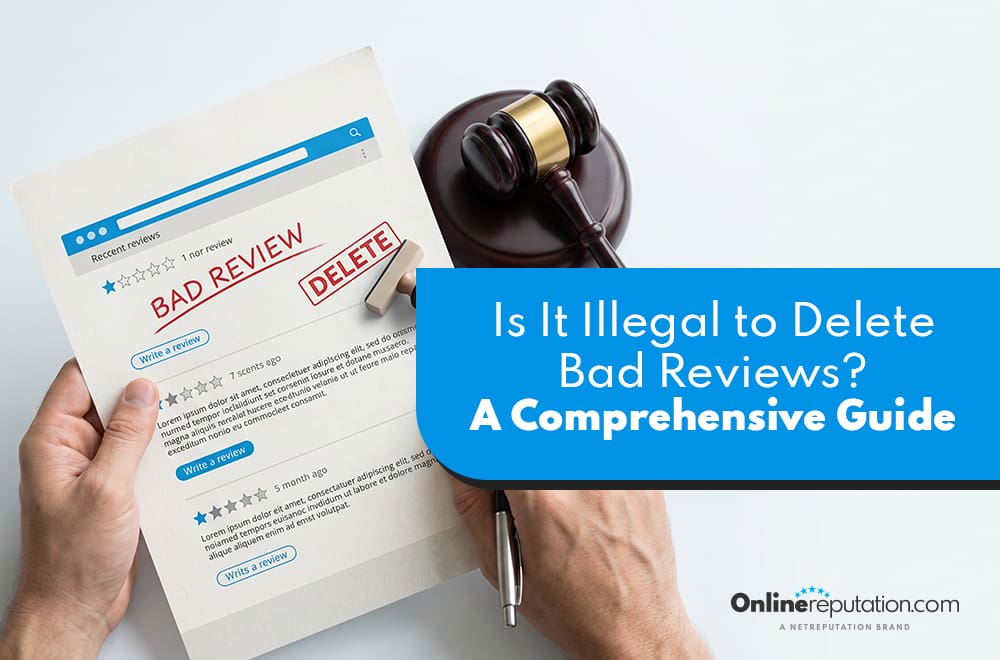

Online reviews have become a powerful tool for consumers to express their opinions and for businesses to build their reputations. The question arises: Is it illegal for businesses to delete bad reviews? To fully understand the dynamics at play, it is essential to delve into online reviews and explore the legal aspects of managing customer feedback.
Online reviews are important for businesses because they influence potential customers’ decision-making. Positive reviews can attract new customers, while negative reviews can deter them. Understanding the types of online reviews, such as product, service, or overall business reviews, can provide insight into the impact of negative feedback on a business’s reputation.
The legality of deleting bad reviews depends on various factors. From a legal perspective, businesses often have limited ability to remove negative reviews. Review platforms, such as Google Reviews, have terms of service that dictate whether businesses can delete reviews. Businesses must familiarize themselves with these policies to effectively navigate the process of managing bad reviews.
Deleting bad reviews can have severe consequences for businesses. It can damage their reputation, as customers value transparency and authenticity. Deleting negative reviews may erode trust and credibility, potentially driving away prospective customers. Businesses need to consider the long-term implications of attempting to remove negative feedback.
Instead of deleting bad reviews, businesses can take alternative approaches to handling negative feedback. Responding professionally to negative reviews, addressing customer concerns, and actively working toward a resolution can demonstrate a commitment to customer satisfaction. Encouraging positive reviews from satisfied customers can also help balance out the impact of negative feedback.
Navigating the terrain of online reviews and managing customer feedback requires a comprehensive understanding of the legal implications and best practices. Businesses can effectively address feedback and maintain a positive online reputation by approaching negative reviews with a strategic and customer-centric mindset.
OnlineReputation.com provides information and services to help you protect your digital presence. Get started with a free online reputation analysis here and learn about our review management services here.
Understanding Online Reviews
The Importance of Online Reviews
Online reviews play a vital role in the modern digital age. They serve as valuable tools for consumers, enabling them to make informed choices regarding various products and services based on genuine feedback and experiences shared by fellow customers.
Positive online reviews are of utmost significance for businesses, as they serve as building blocks of their reputation and help attract new customers. Research conducted by BrightLocal reveals that 91% of consumers place as much trust in online reviews as they would in personal recommendations, underscoring the immense impact reviews have on consumer trust and purchasing decisions.
Online reviews contribute significantly to a business’s credibility. A substantial number of positive reviews foster an aura of trustworthiness and reliability, showcasing the business’s commitment to fulfilling its promises. On the contrary, negative reviews can seriously damage a business’s reputation, ultimately deterring potential customers from engaging with the brand.
A pro tip for businesses is to actively engage with online reviews and respond professionally to both positive and negative feedback. By acknowledging positive reviews, addressing customer concerns, and demonstrating their dedication to customer satisfaction, businesses can enhance their brand reputation. Encouraging satisfied customers to leave positive reviews can also improve the business’s overall rating and online presence.
Types of Online Reviews
There are several types of online reviews that customers can leave for businesses. These reviews shape a business’s reputation and influence consumer decisions.
- Product Reviews: These reviews focus on specific products and provide insights into their quality, features, and performance. Customers mention the pros and cons of the product to help others make informed purchasing decisions.
- Service Reviews: Service reviews evaluate the customer experience with a business. Customers provide feedback on customer service, responsiveness, and professionalism. These reviews give potential customers an idea of what to expect when interacting with the business.
- Company Reviews: Company reviews provide an overall assessment of the business. Customers share opinions on brand reputation, values, and corporate social responsibility. These reviews help customers evaluate the company’s image and credibility.
- Local Business Reviews: Reviews of businesses in a specific area. Customers share experiences with local businesses such as restaurants, salons, or repair services. These reviews are vital for attracting customers and building a strong local reputation.
- Influencer Reviews: Influencers share reviews and recommendations for products and services they have tried. These reviews reach a large audience and greatly impact consumer decisions.
Are Businesses Allowed to Delete Bad Reviews?
In the realm of online reviews, the power of customer feedback is immense. But what about businesses? Are they allowed to delete those pesky bad reviews? Let’s dive into the legal perspective on deleting bad reviews and explore the nitty-gritty of terms of service on popular online review platforms. Brace yourself for the fascinating world where consumer rights meet business practices. Hold on tight because we’re about to uncover the truth behind the ability to delete bad reviews.
Legal Perspective on Deleting Bad Reviews under the Consumer Review Fairness Act
The legal perspective on deleting bad reviews requires businesses to be aware of review platform regulations and terms of service. Review platforms have guidelines determining whether businesses can delete or respond to reviews. While businesses generally cannot delete reviews themselves unless they violate specific platform policies, they may be able to report content that breaks those rules. Honest online reviews are generally protected by the First Amendment and the Consumer Review Fairness Act.
Review platforms aim to promote transparency and trust in the review process. Deleting unfavorable reviews can be seen as an attempt to manipulate or conceal information, harming the business’s reputation and making it appear untrustworthy to potential customers. It may also be seen as an unfair attempt to suppress criticism.
Businesses may have valid reasons to request the removal of a review if it is factually inaccurate, violates the review platform’s terms of service, or crosses the line into defamation about a business or person. While honest criticism, even when it raises a legitimate concern or includes complaints, is usually protected, fake reviews and false statements may create liability. In such cases, the business can contact the review platform and request that the review be taken down.
Businesses need to handle negative reviews professionally by responding constructively and respectfully. By addressing customer concerns, resolving issues, and encouraging positive reviews, businesses can actively manage their online reputation and minimize the impact of negative feedback.
Terms of Service of Review Platforms
When utilizing review platforms, it is crucial to have a comprehensive understanding of the terms of service (ToS) that govern their usage. These ToS establish the rules and regulations for both users and businesses. Analyzing the ToS of review platforms is essential for managing and addressing reviews effectively on each site. Several significant aspects to consider within the terms of service of review platforms are:
- Content guidelines: Review platforms have specific guidelines regarding acceptable content, which may include restrictions on hate speech, offensive language, or misinformation. Familiarizing oneself with these guidelines enables businesses to address reviews within the platform’s parameters.
- User rights and ownership: The terms of service clarify the rights and ownership of posted content. This understanding helps businesses recognize their limitations when controlling or deleting user-generated content, including reviews.
- Moderation and deletion policies: Review platforms provide details on their policies for moderating and removing reviews. This may involve flagging or reporting reviews and establishing protocols for review removal. Reviewing these policies helps businesses determine whether deleting a negative review is permitted under the platform’s guidelines.
- Legal obligations: The terms of service may also outline legal obligations for businesses and users. This includes compliance with relevant laws, avoiding defamation or false claims, and the potential consequences for any violations. Under the Consumer Review Fairness Act, businesses cannot use contract provisions or non-disparagement clauses to block customers from posting truthful negative opinions.
By becoming familiar with the terms of service of review platforms, businesses can effectively navigate Google’s review platform, respond appropriately to reviews, and ensure compliance with platform rules and applicable law.
Consequences of Deleting Bad Reviews
Deleting bad reviews may seem like a quick fix, but it comes with a cost.
Damage to Reputation
Damage to reputation is a consequence of deleting bad reviews. When businesses remove bad reviews or negative feedback, it can harm their reputation in several ways. Customers may view the deletion as an attempt to cover up or silence legitimate concerns, leading to a loss of trust and credibility. In many cases, attempts to suppress negative feedback backfire and erode consumer trust. Potential customers who rely on online reviews may be skeptical of businesses with no negative feedback, questioning the authenticity of the reviews and the company’s transparency. Online communities and social media platforms may also spread negative sentiment towards businesses that delete reviews, amplifying the damage to their reputation. Removing negative feedback can also damage a company’s reputation if handled improperly.
In a real-life example, a popular restaurant chain deleted negative reviews from dissatisfied customers to maintain a positive online image. News of their actions quickly spread on social media, prompting a backlash against the company’s efforts to control criticism from customers and the wider community. This incident resulted in a significant decline in their reputation and customer trust. The restaurant had to issue a public apology and take steps to rectify the situation, including implementing a more transparent review system and actively addressing customer concerns. This example highlights the potential long-term consequences of deleting bad reviews and the importance of maintaining an open and honest dialogue with customers.
Trustworthiness and Credibility
When it comes to online reviews, trustworthiness and credibility matter.
- Consistency: Consistent positive and negative reviews enhance the trustworthiness of the overall rating. Similar experiences and opinions from multiple customers add credibility to the reviews.
- Verified purchase: Reviews from verified purchasers hold more credibility as they confirm that the reviewer has used the product or service. This prevents fake or biased reviews.
- Detailed information: Specific details and examples in reviews make them more trustworthy and credible. Vague or generic reviews may raise suspicions and decrease credibility.
- Reviewer expertise: Reviews from experts or individuals with relevant knowledge and experience in the product or service domain are considered more credible. Their insights provide valuable information and help establish trust.
- Balance of positive and negative reviews: A mix of both indicates authenticity and fairness. Overwhelmingly positive or negative reviews may raise doubts about the trustworthiness of the ratings.
- Response from the business: A business that actively engages with customer reviews, especially negative ones, demonstrates transparency and a commitment to resolving issues. This can enhance trust in the business and its products or services.
Considering these factors when evaluating online reviews helps determine the trustworthiness and credibility of consumer feedback.
How to Deal with Negative Reviews
Responding Professionally
Responding professionally to negative reviews is crucial for businesses. It helps maintain their reputation and build trust with customers. Here are some essential steps to follow:
- Acknowledge the feedback: Show that you value the customer’s opinion and appreciate their input. Thank them for sharing their experience.
- Remain composed: Stay calm and composed when responding. Avoid getting defensive or argumentative. Focus on understanding the customer’s concerns and finding a solution.
- Apologize sincerely: Express genuine empathy for the customer’s negative experience. Apologize for any inconvenience caused and assure them that their feedback will be taken seriously.
- Address the specific issues: Respond to each concern raised in the review. Provide clear explanations and offer solutions or compensation if appropriate. Show your commitment to resolving the problem.
- Take the conversation offline: Encourage the customer to contact you privately. Offer your contact information or suggest reaching out through direct messages or email. This demonstrates your willingness to resolve the issue privately.
Remember, responding professionally to negative reviews can positively impact your business. It shows that you care about customer satisfaction and proactively address concerns. By effectively handling negative comments and feedback, you can turn unhappy customers into satisfied ones and enhance your reputation as a reliable business.
Fun Fact: According to a study, 45% of consumers are more likely to visit a business that responds to negative reviews compared to those that don’t respond.
Resolving Customer Issues
To effectively resolve customer issues related to negative reviews, follow these steps:
- Acknowledge the complaint: Respond promptly and empathetically, letting the customer know their feedback is important and you understand their frustration.
- Investigate the problem: Gather the necessary information from the customer and your records to fully understand the situation and determine the best course of action.
- Offer a solution: Present a solution that addresses the customer’s complaint, such as a refund or replacement. Be proactive in making things right.
- Communicate clearly: Explain your steps to resolve the issue and keep the customer updated for transparency.
- Follow up: Follow up with the customer after implementing the solution to ensure their satisfaction. This shows your commitment to customer service and reinforces trust.
- Learn from feedback: Use negative reviews as an opportunity for improvement. Analyze the feedback and identify recurring issues to prevent similar problems in the future.
By following these steps, you can effectively address and resolve customer issues raised in negative reviews, improve customer satisfaction, and maintain a positive reputation for your business.
Encouraging Positive Reviews
- Provide exceptional customer service: It increases the likelihood of positive reviews.
- Ask for feedback: Actively encourage customers to provide feedback and reviews through conversations, follow-ups, or printed materials, and invite satisfied customers to post positive reviews without scripting responses or filtering out honest criticism.
- Incentivize reviews: If you offer review outreach or rewards, make sure they comply with FTC rules; manipulating reviews to mislead consumers violates FTC guidelines, and deceptive review practices can trigger significant FTC penalties.
- Make it easy to leave a review: Simplify the process by providing direct links or buttons on your website, social media, or email. Convenience boosts the likelihood of receiving reviews.
- Show appreciation for reviews: Respond promptly and personally to positive reviews, thanking customers for their feedback and showing value in their support.
- Share positive reviews: Showcase positive reviews on your website or social media to encourage more customer reviews and demonstrate customer satisfaction.
- Engage with online communities: Actively participate in relevant forums and review websites in your industry. Provide helpful information and engage in discussions to create brand awareness and potentially generate positive reviews.
Legal Alternatives to Deleting Bad Reviews
Looking for ways to address those pesky bad reviews? Discover the strategies and practical steps you can take to navigate the world of online reviews and protect your reputation.
Requesting Review Platforms for Removal
Businesses can request the removal of negative reviews from review platforms that violate platform rules, such as spam, fake reviews, or other prohibited content, by following these steps. First, they can contact customer support and explain the situation regarding the negative review. Businesses must provide evidence that the review is false or misleading, or that it violates the platform’s terms of service. Some estimates put 40% of online reviews as fake, which is why platforms use automated detection and review removal systems. Businesses can request the removal of a review from the platform or remove the review by clearly stating their case.
Another option to remove Google reviews is to flag the review. On a Google Business Profile, businesses can report reviews through Google Search or Maps and contact Google Support if needed. Most review platforms have a feature that allows users to flag or report inappropriate reviews. Businesses can use this feature to flag the negative review and explain why it should be removed. The platform will then review the flagged review and decide whether to remove it. Platforms may also edit or remove user content and are generally protected from liability for that moderation under Section 230.
In some cases, businesses can seek mediation services from the review platform. If the business owner believes the negative review is unjustified, they can request mediation to help resolve the situation. If a resolution is reached, the review may be removed.
It is important to note that requests to review platforms for removal should be made only in cases where the review is false, misleading, or violates guidelines. Businesses should provide clear and specific reasons when making a removal request and maintain professionalism throughout the process. If an initial report is denied, the business can submit an appeal or make further attempts through the platform process.
Seeking Legal Action
Seeking legal action is an option for businesses dealing with negative reviews. The decision to pursue legal action should be based on the specific circumstances and the advice of a legal professional. Businesses can take legal action if the negative review contains false statements or violates laws or regulations. But legal action can be costly and time-consuming, with no guaranteed outcome. Businesses should consider the pros and cons before deciding to pursue legal action.
Businesses should gather evidence to support their case when considering legal action, such as screenshots or written documentation. They should also consult their legal counsel to understand the legal implications and potential remedies. It’s important to handle the situation professionally and avoid online arguments or defamation.
In some cases, it may be more effective for businesses to focus on resolving customer issues, addressing concerns raised in negative reviews, and encouraging positive reviews from satisfied customers. Legal action should be the last resort after exploring all other options.