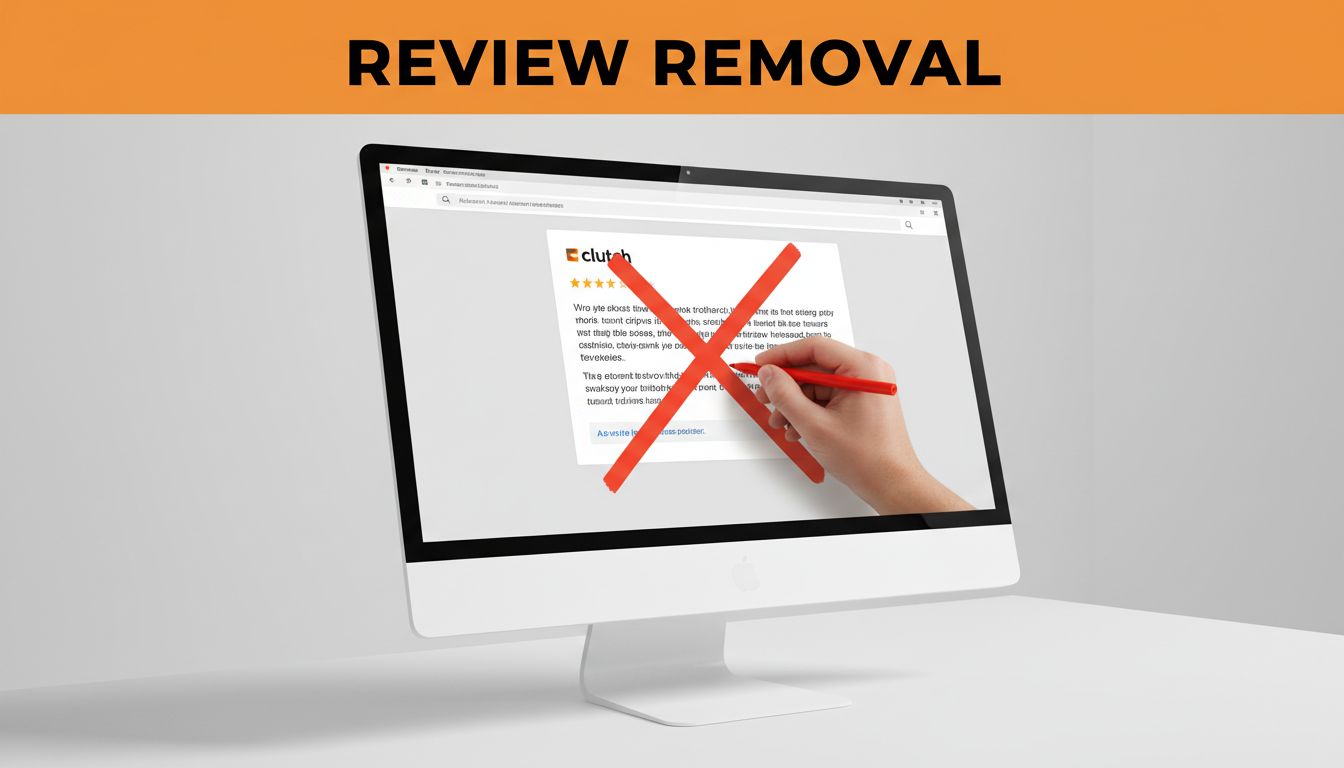

A bad clutch review removal case can cost more than a bruised ego. It can slow deals, raise buyer doubts, and shape branded search results before a prospect ever books a call.
That’s why agencies and consultants need a clean process. As of March 2026, Clutch still allows disputes for fake or unrecognized reviews, but it does not remove valid negative feedback simply because you dislike it. The difference matters, and it changes your next move.
What Clutch will remove, and what it usually won’t
Start with the hard truth. Clutch is built around transparency, so removal is limited. Its current help guidance says service providers can dispute a review when the reviewer or company is unknown and the project appears fictional, as explained in Clutch’s dispute guidance for unrecognized users.
Clutch also states that falsified reviews, meaning reviews tied to impersonation or no real client relationship, violate policy. Its falsified reviews policy makes that clear. If your agency spots a fake review from a “client” who never signed, paid, emailed, or met with your team, that’s a real dispute case.
What usually stays? A harsh review from a real client. Even if the reviewer exaggerates, sounds unfair, or leaves out context, that alone doesn’t make it removable. If you recognize the client and the work happened, you’re usually dealing with a response and resolution problem, not a takedown problem.
If the client is real, it’s rarely a removal case. It’s a trust-repair case.
Clutch also says providers can submit a public response when a review is 3.5 stars or lower, which is covered in its service provider response rules. That’s often your best option when the review is painful but legitimate. Also, don’t expect Clutch to remove your company profile because reviews hurt. Its profile policy says company pages generally stay live.
Step-by-step clutch review removal process that fits agency workflows
When a suspect review appears, speed matters. Still, rushing without proof is like showing up to court with feelings instead of documents.
Use this process:
- Preserve the review immediately.
Take screenshots of the review, reviewer name, company name, date, rating, and your full Clutch profile. Save the direct review link too. - Check your records before you react.
Search your CRM, invoicing system, contracts, inboxes, Slack, and project tools. For a consultant, that may mean checking discovery call notes, proposals, and signed scopes. For an agency, review the SOW, account roster, and billing history. - Decide if it’s fake or simply negative.
If no person, company, or project matches, move to dispute. If the client is real, don’t file a false dispute. Post a response and work toward an update instead. - Email Clutch with a factual dispute.
Send your case to report@clutch.co. Include the review URL, why the reviewer is unrecognized, and why the project looks invented. Keep the tone dry and direct. Think “audit memo,” not “rant.” - Wait for Clutch’s verification process.
Clutch marks the review as under dispute, then asks the reviewer for proof of the business relationship. Based on current guidance, if the reviewer fails to provide proof within about two weeks, Clutch may remove the review. If proof is provided, the label comes off and the review stays.
Here’s a common agency example. A paid media firm gets a one-star review from a company name no one on the team has seen. No proposal exists. No ad account invite exists. No invoice exists. That’s a strong dispute file. On the other hand, if a former client trashes your ROAS after a real six-month engagement, that’s not a fake review case, even if their numbers are wrong.
Clutch has also said fake review pressure has risen in recent years, and it tightened verification checks in 2024. So, clear evidence now matters more than ever.
If the review stays, protect trust and branded search visibility
When removal fails, the job shifts. Now you’re in reputation management mode, and your goal is to stop one review from becoming your whole story.
First, write a calm public response. Keep it short. Acknowledge the concern, avoid private details, and invite offline contact. Prospects read your reply as a proxy for how you handle pressure. That makes your response part of online reputation management, not only client service.
Next, build more verified proof around the brand. Ask real clients for honest feedback on the platforms that matter to your pipeline. Publish stronger case studies. Tighten your Clutch profile. Then broaden your branded search footprint with thought leadership, press mentions, and profile assets. If the issue spills past Clutch, online reputation repair services can help suppress weak or outdated search results without promising magic deletion.
A good reputation management company won’t sell fantasy. The better online reputation management companies focus on policy-based disputes, response strategy, and long-term trust signals. If you’re weighing outside help, a credible Reputation Repair Company or Online Reputation Expert should talk about evidence, compliance, and branded search, not shortcuts. That’s the heart of online reputation repair and smart Reputation Repair Services. It’s also why online reputation management in 2026 matters more for agencies with long sales cycles and research-heavy buyers.
The cleanest win is still accuracy. Remove what violates policy, answer what doesn’t, and strengthen what buyers see next.
A sloppy dispute can backfire. A documented, policy-based one gives you the best shot at removal and the best backup plan if the review stays.
Audit your Clutch profile today. Then decide, with clear eyes, whether you’re fighting for deletion or fighting for trust.