
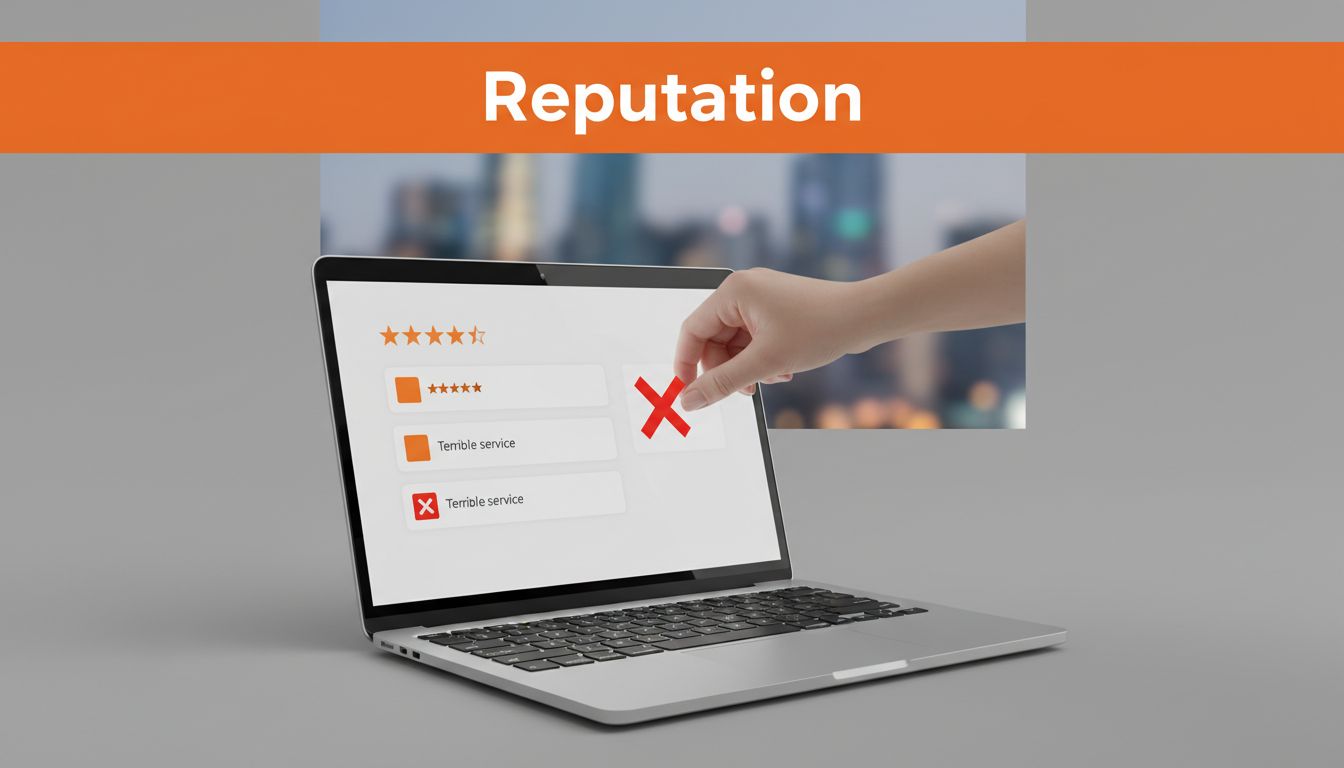

A negative review can feel like someone spray-painted your storefront window. Even if it’s unfair, it changes how strangers treat you.
The good news: online reputation management isn’t about arguing with the internet. It’s about choosing the right service for your situation, then using compliant tactics that improve ratings and trust over time.
Below is a practical guide to the best services for fixing negative online reviews, plus pricing ranges, what to ask on calls, and what to avoid.
Start with the real goal: remove, resolve, or outrank?
Not every bad review is “fixable” in the way people hope. Most platforms only remove reviews that violate their rules (spam, hate, conflicts of interest, fake accounts, personal info). That’s why a strong reputation management plan usually uses three tracks at once:
First, resolve what you can. If the reviewer is real, a calm public reply plus an offline make-good often leads to updates. Second, report what truly breaks platform rules. Third, out-rank the damage by earning fresh, legitimate reviews and building stronger brand content.
This is where a reputation management company can help. The best ones don’t promise magic. They set expectations, document actions, and focus on sustainable online reputation repair.
For a deeper view of how vendors differ, it helps to scan independent roundups like brand reputation management services reviews before you take sales calls.
Service types that work (and typical price ranges)
Most “fix my reviews” offers fall into a few categories. Here’s what’s commonly available in March 2026, and what businesses typically pay.
Before you choose, compare service types side by side:
| Service type | Best for | What you actually get | Typical price range (USD) |
|---|---|---|---|
| Review monitoring software | DIY teams, single-location | Alerts, inbox, reporting, basic workflows | to 0 per month |
| Review response management | Busy owners, first-time cleanup | Drafting responses, escalation, templates, basic coaching | 0 to ,500 per month |
| Review generation (compliant) | Building steady 4 to 5-star volume | Request flows, QR links, email/SMS asks, staff training | 0 to ,000 per month (plus software) |
| Local listings and profile cleanup | Wrong hours, duplicates, NAP issues | Listings fixes, category updates, GBP support | 0 to ,500 per month |
| Full online reputation management | Ongoing brand trust | Reviews, listings, content, monitoring, light PR coordination | ,000 to ,000 per month |
| Crisis and attack response | Review bombs, PR incidents | Rapid triage, evidence collection, comms plan, suppression | ,000 to ,000+ per month |
One helpful shortcut: if you’re comparing vendors, first decide whether you need software, a managed service, or a full Reputation Repair Services package that includes content and search results work. Lists like online reputation management companies in 2026 can give you names, but your scenario should drive the choice.
Photo by Walls.io
If you want a clearer sense of what “repair” can include beyond reviews, see online reputation repair services, especially around removal vs suppression and realistic timelines.
Clear recommendations by scenario (what to buy, not what to believe)
Different problems need different tools. Buying the wrong service is like hiring a plumber to fix your wiring.
Single-location business with a few harsh reviews
Start with review response management and compliant review generation. Your fastest win usually comes from better replies and a steady stream of real customer feedback.
In practice, that means: respond within 24 to 72 hours, keep it short, invite offline resolution, and never debate details publicly. Then ask recent happy customers for honest reviews at the right moment (after the job is complete, after the meal, after the invoice is settled).
If you already have strong operations, software plus coaching may be enough. If you’re slammed, a managed provider can keep consistency.
Multi-location brands that need consistency
Multi-location brands struggle with two things: uneven service and uneven process. You’ll typically want a platform that centralizes reviews, creates location-level reporting, and supports routing (store manager vs corporate).
Also budget for listings management, because duplicate profiles and wrong categories quietly hurt both ratings and calls. This is one reason many online reputation management companies bundle reviews plus listings for franchises, dental groups, and home service networks.
For tool comparisons, this roundup of reputation management tools is useful when you’re evaluating software vs managed support.
Regulated industries (healthcare, legal, finance)
Here, the risk isn’t just a low star rating. It’s what your team says back.
Choose a provider that understands privacy and advertising rules, and that builds response playbooks your staff can follow. A good “we can’t discuss details here, but we’d like to help” response often protects you better than a clever comeback.
If a vendor pushes aggressive public rebuttals, or asks you to “prove the reviewer is lying” in public, move on.
Active review attacks (review bombs, competitors, ex-employees)
When the volume spikes fast, speed matters. Look for crisis-style help that can:
- Capture screenshots and timestamps
- Document patterns (new accounts, same wording, same time window)
- File policy-based reports with evidence
- Adjust messaging across Google, Yelp, Facebook, and industry directories
This is also when a Reputation Repair Company that offers suppression and PR support can help reduce long-term search visibility of the worst pages, even if removals don’t happen.
Legacy bad ratings (old issues, new owners, old staff)
Legacy ratings are like an old stain on a white shirt. You don’t need to erase the past, you need to outnumber it.
The best service here is a long-term online reputation management program that focuses on volume and consistency: more first-party feedback, more verified reviews, better customer follow-up, and improved local presence. Expect a few months, not a few days.
If you want an action plan framework, this step-by-step online reputation fix guide lays out the process clearly.
A step-by-step process for working with a provider
If you treat vendor selection like a one-time purchase, you’ll get one-time results. Instead, run it like a monthly operating system.
- Audit and baseline: inventory profiles, ratings, top complaints, and brand search results.
- Triage priorities: flag policy-violating reviews, urgent locations, and repeat issues.
- Set response rules: tone, timing, who replies, and what must go offline.
- Build compliant review requests: simple asks, consistent timing, no “only if happy” language.
- Fix listings and categories: reduce duplicates and mismatched info that frustrates customers.
- Track outcomes: response time, review velocity, star trend, and lead impact, not vanity metrics.
- Adjust monthly: rewrite templates, coach staff, and address root causes behind complaints.
A strong provider assigns a dedicated Online Reputation Expert (not a rotating inbox) and shows you what changed each month.
Questions to ask on sales calls (and red flags)
A good sales call feels like a diagnosis, not a pitch. Ask:
- What’s your policy for removals? (Listen for “only if it violates platform rules.”)
- How do you request reviews without review gating?
- Who writes responses, and how are they approved?
- How do you handle multi-location routing and permissions?
- What’s the first 30-day plan, and what results are realistic?
- What will you need from my team each month?
- Do you have experience in my industry’s compliance needs?
If a vendor guarantees removals or a star rating by a certain date, they’re selling certainty that platforms don’t offer.
Watch for these red flags:
- Guaranteed removals of “any review”
- Fake-review generation, paid reviews, or burner accounts
- Review gating (only asking happy customers, or filtering unhappy ones away from public sites)
- “We have a special relationship with Google/Yelp” claims
- No written scope, no reporting, or vague deliverables
Ethical reputation management protects you from bans, lawsuits, and long-term distrust.
Conclusion
The best services for fixing negative online reviews match the problem you actually have, not the one you wish you had. For most businesses, the fastest path is steady improvement: better replies, better operations, and a compliant system for earning real reviews.
If you’re choosing between providers, prioritize transparency, policy-aligned tactics, and a plan you can measure. That’s how online reputation repair turns from damage control into lasting trust.