

Knowing when to create a sub-brand starts with recognizing when an idea inside your business has the potential to become more than a campaign, event, program, or offer.
It can become a brand asset people recognize and return to.
The challenge is spotting that potential early enough to build for it.
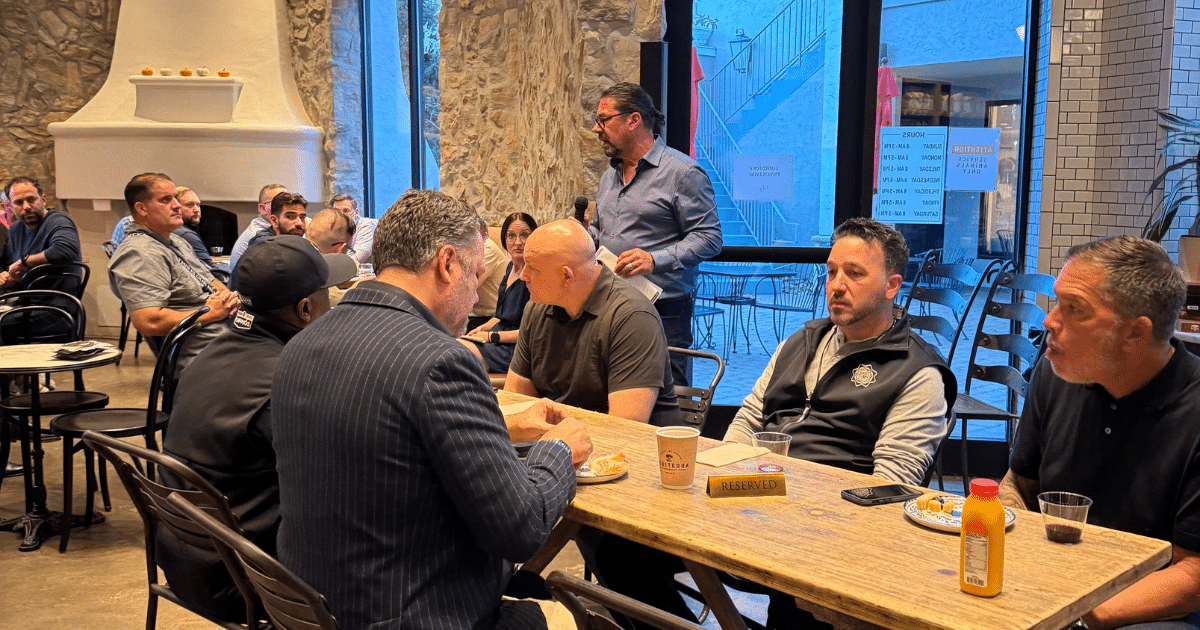
We have an event happening for one of our clients later this month.
It sold out almost two weeks before it even takes place.
Which is exciting on its own.
But what I keep thinking about is a decision we made much earlier in the process.
How We Knew This Event Had Bigger Potential
This client has hosted events before, but pretty quickly we could tell this one was different.
The concept was bigger, and there was a good chance it could become something they would want to bring back year after year.
So we didn’t treat it like another event to promote.
We started building a brand around it.
We gave it its own identity, secured the URL, developed the marketing materials, and then our team led the marketing and promotion behind the launch.
Now we have a sold-out first event before anyone has even walked through the door.
And because the plan is to host it annually, we already have something to build from next year.
Why Building the Brand Early Matters
Next year, we won’t be starting from scratch.
People will know the name.
They’ll have attended it, talked about it, shared photos from it, and hopefully be looking for it again.
That is very different from coming back next year and asking:
Okay, what event should we create this time?
Instead, there is already recognition attached to the idea.
There is a name people can remember.
There are experiences people can associate with it.
There is marketing, visual identity, content, word of mouth, and hopefully demand that can continue to build.
That is when an event starts to become more than an event.
It becomes an asset.
What Is a Sub-Brand?
A sub-brand is a distinct offering or identity that lives within or alongside a larger business while developing recognition of its own.
It might have its own name, visual identity, audience, website or URL, marketing, or customer experience while still remaining connected to the larger company.
But not every idea needs to become a sub-brand.
The question is whether there is enough long-term potential behind the idea to make building that recognition worthwhile.
What Types of Ideas Can Become Brands of Their Own?
Events are one example, but this can happen in many different areas of a business.
It could be:
- A recurring event or conference
- A podcast
- A signature program
- A membership or community
- A product line
- A course or certification
- A methodology or framework
- An annual report or research initiative
- A recurring content property
I think businesses sometimes look at these things only in terms of what they need to do right now.
We need to fill the event.
We need to launch the program.
We need to promote the podcast.
We need to sell the product.
Those things matter.
But there is another question worth asking:
Could this become something people recognize on its own?
How Do You Know When to Create a Sub-Brand?
There is no single formula, but there are a few signs that an idea may deserve more intentional brand building.
You Can See Yourself Bringing It Back
If the idea is truly one-and-done, it probably doesn’t need its own brand.
But if you are already thinking about year two, the next cohort, another city, additional products, or future versions, there may be something larger to build.
That long-term potential changes the decisions you make at the beginning.
It Has a Clear Identity of Its Own
Sometimes an idea naturally feels distinct from the rest of the business.
It may have a different experience, energy, audience, promise, or purpose.
That doesn’t automatically mean it needs a separate brand, but it can be a sign that giving it a distinct identity will make it easier for people to understand and remember.
People Could Talk About It by Name
This is a big one.
Could someone tell a friend:
“You should go to ___.”
“You need to listen to ___.”
“You should join ___.”
“I learned this through ___.”
When an idea can develop recognition around its own name, you have the opportunity to build something people can refer to, recommend, and search for.
There Is Room for the Idea to Grow
The first version may not be the final version.
A local event could become an annual event.
A methodology could become a book, certification, or training.
A podcast could turn into a live event or community.
A signature program could lead to other products or experiences.
Sometimes the potential is bigger than what you are launching today.
Recognizing that early gives you room to build with the future in mind.
You Want to Build Value Around It Over Time
Brands accumulate meaning.
Every good experience, referral, photo, review, piece of content, testimonial, and conversation can strengthen what people associate with a name.
When you consistently build around the same identity, those efforts compound.
You are no longer promoting something new every single time.
You are building on what already exists.
Not Everything Needs Its Own Brand
This is also important.
Not every event needs a logo.
Not every service needs a clever name.
Not every internal process needs to become a proprietary methodology.
Sometimes creating too many brands actually makes the business more confusing.
A separate identity should serve a purpose.
It should make the idea easier to understand, remember, grow, return to, or distinguish.
If it doesn’t do one of those things, keeping it underneath the primary brand may be the better decision.
But sometimes you can tell an idea has more potential.
And I think recognizing that early can change how you build it.
Think About the Second Version Before You Finish the First
The success of this client’s event is exciting.
But what I’m most interested in is what happens next.
One of the best ways to decide when to create a sub-brand is to look beyond the first launch and ask what the idea could become over time.
We already have something to build from.
A name.
A brand.
An audience that has now heard about it.
People who will have experienced it.
Photos, stories, conversations, and word of mouth that didn’t exist before.
That gives next year a completely different starting point.
And that is worth thinking about beyond events.
If there is something inside your business that you have wondered might have bigger potential, ask yourself:
Am I simply marketing this idea, or am I building something that could become an asset?
Sometimes the answer will be no.
But when the answer is yes, recognizing it early can make all the difference.
Could Something Inside Your Business Become a Brand of Its Own?
If you have an event, program, product, podcast, methodology, or other idea that feels like it may have room to become something bigger, it may be worth thinking about the brand before you think only about the promotion.
Ready to build a brand and digital presence around an idea with room to grow? Connect with the brandiD team.
Want more conversations about building your authority, impact, and income online? Listen to The Professional Presence Podcast.